

This day in search marketing history: January 2
Written on January 2, 2023 at 3:41 am, by admin
Google’s jaw-dropping sponsored post campaign for Chrome
In 2012, Google – a search engine known for fighting against paid links and “thin” content – seemed to be behind a campaign that generated both on behalf of its Chrome browser.
A search for [This post is sponsored by Google] returned more than 400 pages, written apparently as part of a Google marketing campaign:
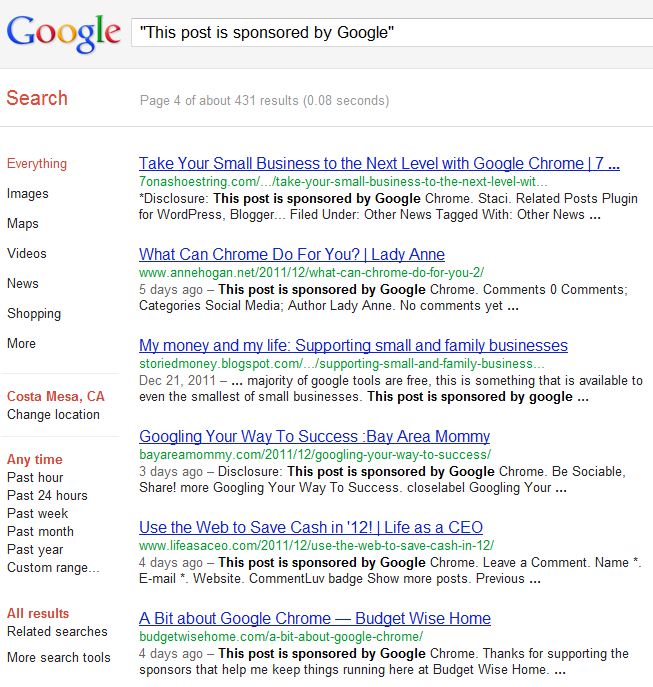
Google? Buying links? It sure looked like it:
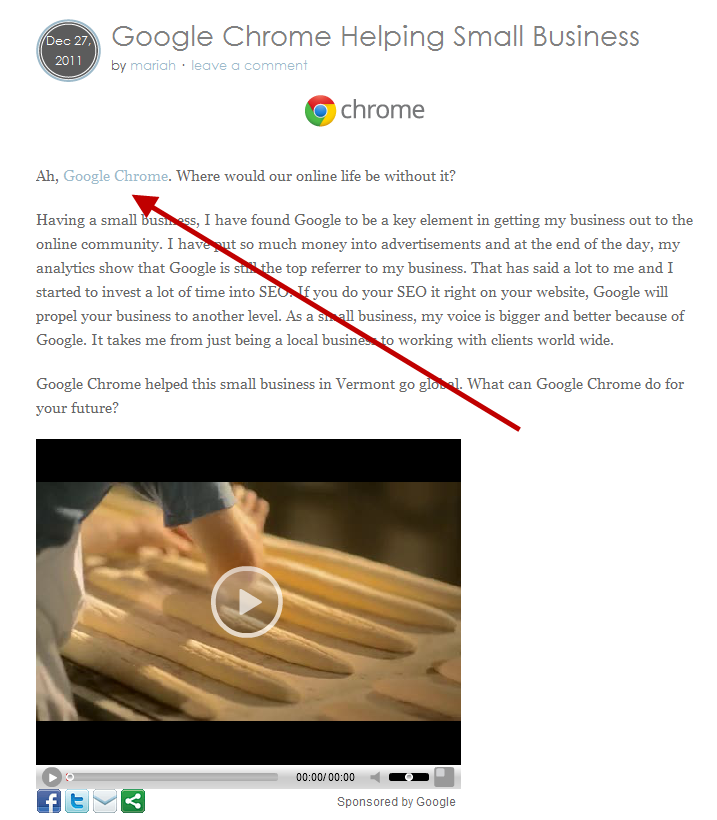
It was also hypocritical because Google was paying to produce the same type of garbage that its Panda Update was designed to penalize.
What was Google thinking? This was just the beginning of the story. See Search Engine Land’s follow-up stories:
- Google: Yes, Sponsored Post Campaign Was Ours But Not What We Signed-Up For
- Google’s Chrome Page No Longer Ranks For “Browser” After Sponsored Post Penalty
Also on this day
Online tax-filing services can no longer hide free services from Google Search results
2020: The IRS revised its Free File agreement with online tax return software providers, requiring them to allow their Free File landing pages to be indexed by search engines and backing out of its pledge not to enter the e-file services marketplace.
The big PPC shifts of 2019 that will shape how we market in 2020
2020: Automation, full-funnel campaigns, shoppable ads and privacy-fueled paid search changes in 2019.
What makes people click on search ads?
2020: Did people click on a paid search ad because it answered a search query, mentioned a familiar brand, was listed above other search results, or had a compelling title, description, or image? Survey says…
Bing Ads offers agencies chance at prizes for accreditation, new accounts, more
2019: The sweepstakes offered incentive for agencies to increase their participation with Bing Ads.
Google’s Mueller spent New Year’s helping SEOs tackle hacked content, slow website issues
2019: John Mueller, a Google webmaster trends analyst, spent a portion of his New Year’s break responding to concerns and questions around Google search-related issues. Here’s what kept him occupied.
Google emphasizes ‘Message this business’ in new local search test
2019: Google was testing a bigger push for the messaging option within the local panel, by using a larger message button.
Google search tests new interface for movie, TV show streaming options
2019: Google was testing a change in the search results for movie and TV show streaming options, adding more streaming providers and options.
There’s nothing stopping climate change deniers from using Google AdWords
2018: Advertisers didn’t have to do anything special or out of the ordinary to get Google’s algorithms to display their ads. It wouldn’t be until 2021 that Google prohibited advertisers from running ads or monetizing content that contradicted scientific consensus on climate change.
Report: Amazon in discussions with consumer brands about ads on Alexa [company denies it]
2018: Amazon was reportedly in talks with several large consumer product companies, such as Procter & Gamble, about advertising and sponsorship opportunities through Alexa and voice search. However, Amazon denied the story, saying it had no plans to introduce ads on Alexa.
New search quality raters guidelines for Google Assistant and voice search evaluations
2018: Similar to the web search quality guidelines, raters evaluated voice responses from Google Assistant for information satisfaction, length, formulation and elocution.
Yahoo Search Back Online After 4+ Hour Outage; Bing Went Down Earlier Friday
2015: The outage to Yahoo’s dedicated search site lasted more than four hours.
Search In Pics: Google Winter Vacation, Boot Loops Cereal & Penguin Appetizers
2015: What people eat at the search engine companies, how they play, who they meet, where they speak, what toys they have, and more.
Rumor: Apple May Buy Crowdsourced Mapping App Waze
2013: Spoiler alert: Apple didn’t get the crowd-sourced mapping and traffic app. But Google did later in 2013, for $1.3 billion.
Report: Google Antitrust Settlement Coming Tomorrow, Opponents Frustrated With FTC
2013: Google agreed to change some business practices and settle allegations it misused patents to thwart smartphone competitors.
Larry Page named “CEO Of The Year”
2012: Why? Because Page “reorganized the company’s management structure, redesigned the face of the company’s products and pushed forward with a multibillion-dollar deal to acquire a cellphone manufacturing outfit.
Google Launches US Election Hub Website
2012: It was similar to the Google News “Elections” section, but with different filtering options on news content and added data related to this year’s campaigns.
Activate The “Bells and Whistles” On Google’s iPhone Mobile App
2009: Surprise! Google’s iPhone app had a few extra hidden options in the Settings tab.
Report: Android OS Coming To Netbooks
2009: An Android OS netbook by 2010? Could it be? Well, actually, it didn’t even take that long, as Acer-produced netbooks were shipped starting in Q3 of 2009. (Dell was also looking at Android for netbook OS.) Oh, what was a netbook? A smaller-than-typical laptop computer (R.I.P, 2007-2013).
Google’s Algorithm Awarding New Pages?
2008: Google seemed to be showing a bit too much love to new or very recent pages indexed by Google, ranking those pages extremely well for queries.
Baidu Beats Music Labels In Music Copyright Case Again
2008: A Beijing appeals court upheld a decision that Baidu was not guilty of property rights infringement for displaying links to websites offering illegal music downloads.
WhatsOpen Aims To Disseminate Local Business Hours Data Across Platforms
2008: The “social search engine” launched its public beta and seemed to be a “feature” rather than a fully developed new local concept.
Google To Make Stronger Effort With Blogging & Communication In 2007?
2007: Matt Cutts called for Google to have more people blogging and monitoring communities interested in their products.
More Google Q&A Spam
2007: Google Q&A spam was spotted for a search on [how tall is paris]. The results led to an adult site.
YouTube’s “Content Identification System” Delay May Hurt Google’s Plans
2007: An anticipated software release by YouTube to crack down on pirated videos with a “content identification system” software was delayed.
SMBs, Paid Search And Self-Service
2007: The question was: how many SMBs will sign up directly for paid search and how many must be acquired through a “push” channel (local sales force)? Some were convinced that a sales force is absolutely necessary for Google, Yahoo and Microsoft to acquire any meaningful penetration in the SMB market.
Google’s Manhattan Office Attractive & Inviting
2007: Translating the Googleplex Mountain View office company culture to New York seemed to be working out just fine.
Google Patches Serious Gmail Contacts Bug
2007: A serious bug was fixed in Google’s Gmail. It allowed websites to retrieve a user’s Gmail contact list through a JavaScript loophole.
Search Engine Land Stats: 2007, In Review
2008: Some key stats reveal how Search Engine Land had grown over the past calendar year.
Best | top | most popular Search Engine Land stories of the year
Early January is a good time to take a final look back at the most popular stories from the past year. Check out what stories earned the most pageviews and social love in prior years:
- Search Engine Land’s Top Tweeted Stories Of 2012: Pandas, Google and a Zuckerberg
- What Search & Conversion Articles Clicked With You (2012)?
- The Hottest Reads In Search & Social In 2012
Past contributions from Search Engine Land’s Subject Matter Experts (SMEs)
These columns are a snapshot in time and have not been updated since publishing, unless noted. Opinions expressed in these articles are those of the author and not necessarily Search Engine Land.
- 2019: Google Shopping is largest growth opportunity for most online retailers in 2019 by Andy Taylor
- 2019: ‘Hey Alexa, how do I get my product visible in Amazon search in 2019?’ by Brittany Page
- 2019: 2019 in search: Find your seamlessness by Alexis Sanders
- 2019: Shopping ads for the small budget: Here’s what to expect in 2019 by Kirk Williams
- 2019: What you need to know about Yelp’s latest update dubbed ‘Ghost’ by Craig Mount
- 2018: 18 link resolutions for 2018 by Julie Joyce
- 2018: Do you have a shot at ranking for that phrase? by Eric Enge
- 2015: Breaking The Glass Ceiling Of Search Through Acquisition by Matthew Barby
- 2014: Succeeding With Content In A Mobile World by Barbara Starr
- 2014: The B2B Marketer’s Guide to Baidu SEO by Harrison Jones
- 2012: How Savvy Is Your AdWords Account? 7 Areas To Audit by Brad Geddes
- 2012: Predictions For Local Search In 2012 – Year Of The Dragon by Chris Silver Smith
- 2012: How To Improve Mobile Commerce SEO Using JQM by Sherwood Stranieri
- 2009: Internet Shopping Usability: No Guidance, No Interaction, No Sale by Kim Krause Berg
- 2008: Inside Information: Interviews With In-House Search Marketers – Part 2
- 2008: A B2B Search Marketer’s New Year’s Resolutions by Brian Kaminski
- 2007: New Duplicate Content and Mapping Patents from Google – January 2, 2007 by Bill Slawski
< January 1 | Search Marketing History | January 3 >
The post This day in search marketing history: January 2 appeared first on Search Engine Land.
Courtesy of Search Engine Land: News & Info About SEO, PPC, SEM, Search Engines & Search Marketing
Category seo news | Tags:
Social Networks : Technorati, Stumble it!, Digg, de.licio.us, Yahoo, reddit, Blogmarks, Google, Magnolia.
This day in search marketing history: January 1
Written on December 31, 2022 at 11:33 pm, by admin
Happy New Year!
Welcome to the first installment of what will be a daily, ongoing feature here on Search Engine Land in 2023 – This day in search marketing history.
Search Engine Land has been the publication of record for all things search and search marketing since launching in 2006. And the founders of that 2006 team had been reporting on and educating the industry for about a decade prior to that (at Search Engine Watch).
So join us every day, as we rediscover the headlines and history of SEO, PPC and digital marketing from years gone by.
Also on this day
Happy New Year Google Doodles!
On Jan. 1, every year since 2000, Google has consistently given us Doodles, in lieu of any significant news of note to report on. Hey, it is a holiday after all. The editorial team is getting some much-deserved rest (not counting Barry, who is almost always working) and traffic is pretty dismal on New Year’s Day.
It’s been years since we covered Google’s special logos. But once upon a time, Search Engine Land was competing with countless other publishers in the hopes of driving some insanely huge search traffic by covering these celebratory Google Doodles:
- New Year’s Day 2018 Google doodle brings in the new year with a bright sunrise
- New Year’s Day 2017 Google doodle features balloon drop to mark 1st day of the year
- New Year 2015 Google Logo Says Hello To The New Year With A Bang
- New Year 2014 Google Logo Keeps On Disco Dancing
- Google’s 2013 New Year’s Day Logo Cleans Up The New Year’s Eve Logo
- 2012 New Year’s Day Logos From The Search Industry
- 2009 New Years Day Logos from Google & Others
14 “Is Google Evil?” Tipping Points Since 2001
2007: A particular bad week for Google resulted in this look back at a number of “tipping points” that Google had survived in prior years, including the infamous Florida Update of 2003.
Best | top | most popular Search Engine Land stories of the year
Jan. 1 can be a good day to take a final look back at the most popular stories from the past year. Check out what stories earned the most pageviews in prior years:
- Whole Lotta Link Love In 2012: Our Best Link Building Posts Of The Year
- Top Search Marketing Columns & Contributed Features Of 2012
- Search Engine Land’s Most Popular Stories Of 2007
- Search Year 2007: Search News, In Review
Get the daily newsletter search marketers rely on.
<input type=”hidden” name=”utmMedium” value=”” />
<input type=”hidden” name=”utmCampaign” value=”” />
<input type=”hidden” name=”utmSource” value=”” />
<input type=”hidden” name=”utmContent” value=”” />
<input type=”hidden” name=”pageLink” value=”” />
<input type=”hidden” name=”ipAddress” value=”” />
Processing…Please wait.
Report: Microsoft To Lay Off 15,000 Workers
2009: There were reports that Microsoft was getting ready to lay off 17% of their workforce, on or around Jan. 15.
< Dec. 31 | Search Marketing History | Jan. 2 >
The post This day in search marketing history: January 1 appeared first on Search Engine Land.
Courtesy of Search Engine Land: News & Info About SEO, PPC, SEM, Search Engines & Search Marketing
Category seo news | Tags:
Social Networks : Technorati, Stumble it!, Digg, de.licio.us, Yahoo, reddit, Blogmarks, Google, Magnolia.
Top 10 SEO expert columns of 2022 on Search Engine Land
Written on December 30, 2022 at 7:30 pm, by admin
Since Search Engine Land launched, we have given SEO experts a platform to share their in-depth knowledge and timely insights – with the goal of helping you solve problems, manage challenges and understand the constantly shifting SEO landscape.
That’s why one of my top priorities this year was to help relaunch the Search Engine Land Subject Matter Expert program, which had been on pause for the most part for the past few years.
Below you’ll find links to the 10 most-read, must-read Search Engine Land SEO columns of 2022 that were contributed by our fantastic group of Subject Matter Experts.
I have to give some recognition to Olaf Kopp, who authored three of the 10 most popular SEO columns of the year. Amazing!
10. How to use 12 micro intents for SEO and content journey mapping
Analyzing the SERPs for these micro intents will help you create the right content that a searcher will want to find. (By Olaf Kopp. Published July 18.)
9. Google search quality rater guidelines update: What has changed
Google has reframed its definition of YMYL, revamped its definition of low-quality pages and more. Here are the details. (By Lily Ray. Published July 28.)
8. 20 advanced Google search operators you need to know
Gain powerful insights to inform your marketing efforts. Use the following advanced Google search operators and commands to your advantage. (By Jon Clark. Published Oct. 3.)
7. Google MUM update: What can SEOs expect in the future?
Is MUM Google’s next step toward becoming a purely semantic search engine? Learn what MUM could mean for the future of SEO. (By Olaf Kopp. Published April 15.)
6. A guide to machine learning in search: Key terms, concepts and algorithms
Want to understand how machine learning impacts search? Learn how Google uses machine learning models and algorithms in search. (By Dave Davies. Published May 2.)
Get the daily newsletter search marketers rely on.
<input type=”hidden” name=”utmMedium” value=”” />
<input type=”hidden” name=”utmCampaign” value=”” />
<input type=”hidden” name=”utmSource” value=”” />
<input type=”hidden” name=”utmContent” value=”” />
<input type=”hidden” name=”pageLink” value=”” />
<input type=”hidden” name=”ipAddress” value=”” />
Processing…Please wait.
5. Google’s helpful content update: What should we expect?
SEOs may be in for another shakeup similar to Penguin’s launch 10 years ago. Here’s what you need to know about Google’s new update. (By Marie Haynes. Published Aug. 22.)
4. 12 WordPress site settings that are critical to your SEO success
Want to set up your WordPress site for better traffic and rankings? Make sure you’re following these site settings to improve your SEO. (By John McAlpin. Published Sept. 15.)
3. The by-no-means-definitive keyword size showdown: GSC vs. Ahrefs vs. Semrush vs. Moz
See the results of a comparison of four leading SEO tools’ keyword coverage for domains in the pharmaceutical space. (By Tylor Hermanson. Published Sept. 19.)
2. 14 ways Google may evaluate E-A-T
Learn about some potential signals Google may be using to gauge whether your content and brand have strong E-A-T. (By Olaf Kopp. Published March 18.)
1. 11 Google Sheets formulas SEOs should know
Sometimes the best SEO tools are free. Learn how to use these formulas to save time and reduce manual errors. (By Jackie Chu. Published June 30.)
The post Top 10 SEO expert columns of 2022 on Search Engine Land appeared first on Search Engine Land.
Courtesy of Search Engine Land: News & Info About SEO, PPC, SEM, Search Engines & Search Marketing
Category seo news | Tags:
Social Networks : Technorati, Stumble it!, Digg, de.licio.us, Yahoo, reddit, Blogmarks, Google, Magnolia.
Top 10 PPC expert columns of 2022 on Search Engine Land
Written on December 29, 2022 at 3:30 pm, by admin
Since Search Engine Land launched, we have given PPC experts a platform to share their in-depth knowledge and timely insights – with the goal of helping you solve problems, manage challenges and understand the constantly shifting landscape of paid search, paid social and display.
That’s why one of my top priorities this year was to help relaunch the Search Engine Land Subject Matter Expert program, which had been on pause for the past few years.
Below you’ll find links to the 10 most-read, must-read Search Engine Land PPC columns of 2022 that were contributed by our fantastic group of Subject Matter Experts.
Before that, I have to give some special recognition to PPC expert Melissa Mackey, who authored the most viewed column of the year, which published Nov. 9 – 10 things to eliminate from your life to be more productive at work. That article isn’t included on our top 10 list because the insights can apply to anyone really – not just search marketers. Regardless, the article did monster numbers – in large part thanks to Google Discover.
Also, congratulations to Anthony Tedesco for authoring three of the top 10 most-read articles this year on Search Engine Land. Amazing.
Onto the list:
10. Shifting to Google Responsive Search Ads: 3 must-know tips
Responsive Search Ads are a huge shift from the ETA format. Learn how RSAs work and get tips on how to get more out of them. (By Mona Elesseily. Published April 14.)
9. 5 ways to get PPC and SEO working together
SEO and PPC are often at odds. Yet the things they “bicker over” are actually areas for improved workflow and channel optimization. (By Navah Hopkins. Published June 29.)
8. Google Responsive Search Ads: What you need to know
Learn the benefits of RSAs, how the transition from ETAs impacts you search strategy and how to write effective RSAs (By Jenny Mallory. Published May 3.)
7. What are Identical Keywords and why they matter for Google Ads
Google Ads has clarified what identical keywords are. But does this tactic go against what Google has been preaching for years? (By Greg Finn. Published June 29.)
6. Excel pivot table best practices for search marketers
Learn how to use Excel pivot tables to QA bulk sheets, plus some tips and shortcuts to enhance your pivot table skills. (By Anthony Tedesco. Published Nov. 7.)
Get the daily newsletter search marketers rely on.
<input type=”hidden” name=”utmMedium” value=”” />
<input type=”hidden” name=”utmCampaign” value=”” />
<input type=”hidden” name=”utmSource” value=”” />
<input type=”hidden” name=”utmContent” value=”” />
<input type=”hidden” name=”pageLink” value=”” />
<input type=”hidden” name=”ipAddress” value=”” />
Processing…Please wait.
5. Why you should invest in branded keywords even if your company ranks #1 on Google
Investment in brand keywords is critical because it allows you to directly influence your brand’s presentation on the SERP. (By Anthony Tedesco. Published July 5.)
4. How to maximize insights from Performance Max
Getting data and insights from Performance Max can be frustrating. Here are some tips and tricks that will help. (By Menachem Ani. Published Aug. 19.)
3. 5 things your Google Looker Studio PPC Dashboard must have
Set yourself up for more success. Learn how to take your PPC dashboard from good to great using Google Looker Studio. (By Amy Hebdon. Originally published March 10, updated and republished Oct. 31.)
2. How to set up Performance Max campaigns the right way
Maximize your performance with Google Ads Performance Max. Here’s everything you need to know to set up PMax for success. (By Menachem Ani. Published July 22.)
1. 7 useful Excel formulas and functions for PPC
Use these tips to quickly analyze performance data and identify high-impact PPC optimizations that will move the needle. (By Anthony Tedesco. Published Aug. 24.)
The post Top 10 PPC expert columns of 2022 on Search Engine Land appeared first on Search Engine Land.
Courtesy of Search Engine Land: News & Info About SEO, PPC, SEM, Search Engines & Search Marketing
Category seo news | Tags:
Social Networks : Technorati, Stumble it!, Digg, de.licio.us, Yahoo, reddit, Blogmarks, Google, Magnolia.
SEO 2022 in review: E-E-A-T, ChatGPT, Search Essentials and more
Written on December 28, 2022 at 11:29 am, by admin
As 2022 proved once again, SEO is never boring.
Was 2022 the year of AI – or perhaps the official dawning of the age of AI? For the last month, it’s been hard not to read about or avoid the temptation to spend hours playing with ChatGPT.
We also had our usual share of algorithm updates, new tools and features, acquisitions, and plenty more changes.
One constant through it all? For 16 years, Search Engine Land has covered all the biggest stories, just as we did again in 2022.
Here’s our look back at the biggest SEO news of 2022 – from Google and other search engines, tool providers and the community.
Google news
Google Search Essentials and more documentation changes
Google did a major refresh of its 20-year-old Webmaster Guidelines and also renamed it to Google Search Essentials. The updated guidelines were streamlined, simplified, and updated “to ensure people have clear guidance for how to build sites that serve people well.”
While Search Essentials was the biggest of Google’s documentation updates in 2022, there were plenty more.
Google updated several Feature Guides help documents:
- Article (author markup best practices)
- Education Q&A (new content guidelines)
- Learning video
- Product (variants, as well as disallowing rich results for widely prohibited or regulated product)
- Recipe (specific times)
- Review snippet (use dots for decimal numbers)
Google also:
- Dropped support for job training structure data.
- Added a new spam policy: Policy circumvention.
- Updated its review guidelines to say discouraging negative or selectively soliciting positive reviews is not allowed and prohibit incentivizing customers to remove or modify negative reviews. In a separate local search update, Google said it may require double verification for some business profiles.
Also, not long after a study by SEO tool company Ahrefs showed half of GSC clicks going to hidden terms, Google removed language in its Performance report (Search) help doc, calling hidden Search Console query data “very rare.”
In other documentation changes, Google:
- Added more example categories of sites that may be impacted by the product reviews update
- Shared examples of how to improve a meta description
- Stopped recommending using dynamic rendering
- Offered guidance on how to inject canonical tags using JavaScript
- Added a new valid page metadata help document
- Merged its SafeSearch help information into a single new document
E-E-A-T and the QRG
Google’s quality rater guidelines (QRG) for search were updated twice this year – once in July and then again in December.
Lily Ray provided her usual excellent breakdowns of what changed in both updates to the QRG.
For the July update (Google search quality rater guidelines update: What has changed), Google reframed its definition of YMYL, revamped its definition of low-quality pages and more
And as Ray covered in the December update (E-E-A-T and major updates to Google’s quality rater guidelines):
“The addition of ‘experience’ indicates that content quality can also be evaluated through the lens of understanding the extent to which the content creator has first-hand experience in the topic.
With this reframing of E-E-A-T, Google also states that “trust” is at the center of this concept and is the “most important member of the E-E-A-T family.”
Before E-A-T became E-E-A-T – we learned from Google that E-A-T is synonymous with “good content quality.”
“E-A-T is a template for how we rate an individual site. We do it to every single query and every single result. It’s pervasive throughout every single thing we do,” according to Hyung-Jin Kim, VP of Search, Google, who spoke at SMX Next in November. Dig deeper: in 7 takeaways from the SMX Next keynote with Hyung-Jin Kim, VP Search at Google.
While this is decidedly not new, it is always good for SEO professionals to understand why Google does the things it does.
Continuous scroll, multisearch, featured snippets and more search feature changes
Google is constantly testing its SERPs, all in the name of making sure users have a great experience and find the information or answer they are looking for.
One of the biggest changes was Google bringing continuous scroll (don’t cal it infinite!) to desktop earlier this month. Yes, it’s officially time to retire the term “Page 2 of Google” – and focus on position when talking about rankings.
Another significant change was multisearch – searching by image and then adding text to that specific image search.
Google played around with featured snippets this year, testing ‘From the web’ and ‘Other sites say’ in featured snippets, as well as showing two or more featured snippets.
For feature snippets, Google now uses MUM to determine whether there is general consensus for information. Google also reported that MUM helped reduce false premise results by 40%
Also of note: a SERP analysis found that People Also Ask appears 10x more than featured snippets. PAA also was in the news because People also ask was showing up half as often in Google Search but it later returned to normal.
FAQ rich results also gained some significant Google SERP visibility.
Oh and if you ever have trouble keeping track of all the parts that make up Google’s user interface, Google launched a visual gallery documenting 22 elements.
Here’s a look back at even more features that were added or tested in Google’s search results in 2022:
- Search refinements: top bar filters with related topics
- Multisearch for food, Google Lens translation, AR beauty and shoes, Maps live view search and more
- Google Lens button to home page search box
- Coupons, side-by-side deals and price insights
- Site names and favicon logos
- Quick Read, 5 Min. Read labels
- Content advisories, About This Result expansion
- Perspectives
- Fewer sitelinks
- Highly cited label
- More visual interface on mobile with grid format
- Refine this search and broaden this search
- New search features in ‘Russian invasion of Ukraine’ results
- People Search Next
- ‘Shops’ section in mobile search results
Algorithm updates
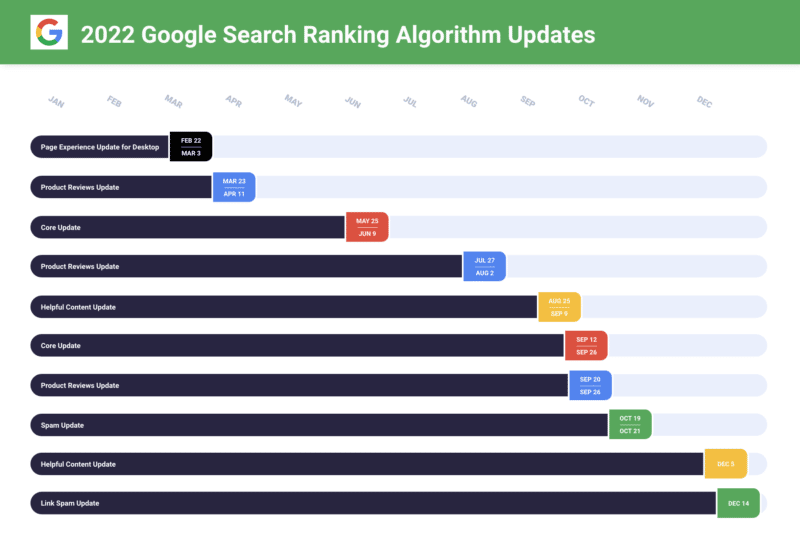
In 2022, there were 10 confirmed Google algorithm updates:
- Two core updates: In May and September.
- Two helpful content updates: the original release in August and a system update in December.
- Three product reviews updates: In March, July and September.
- A spam update: In October.
- A link spam update: In December.
- The page experience update for desktop: In February.
At SMX Next, we learned from Google’s Kim that Google’s Panda algorithm evolved into a new algorithm called Coati. Although this was new information about something fairly old in the Google algorithm world, it was still an interesting discovery.
Also, Google’s John Mueller confirmed that Google no longer used the 2010 and 2018 page speed signals. They were replaced by Core Web Vitals.
We also learned, via a document Google released to the U.S. Copyright Office, that Google’s Pirate Update can cause 89% drop in search traffic for offending sites.
In November, Google published a document on its notable ranking systems, which included algorithms that are no longer used for ranking or have been incorporated into new systems.
Google also introduced a new “algorithmic improvement” for how it selects titles for the search result snippets for multi-language or transliterated titles or where the title element is written in a different language or script from its content.
Read Barry Schwartz’s recap to dig deeper into the year in algorithm updates. And make sure to check out our history of Google algorithm updates page for all our latest news and guidance around the latest algorithm updates.
AI & machine learning
ChatGPT was all the talk in the SEO world in the final weeks of 2022. And you can bet we’ll be hearing more about the (and other) exciting AI technologies in 2023, especially with GTP-4 not far away.
Without a doubt, many sites will attempt to mass produce content using AI tools. Just be careful – earlier this year, Google warned that Google doesn’t want your AI-generated SEO spam content.
Which was a bit ironic, considering you could, theoretically, use Google Docs to write your meta descriptions. And surprisingly, they weren’t all that bad.
Google also detailed how it uses artificial intelligence In Google Search. One other way Google was considering using AI was to update business hours in local listings. Google also formally introduced SpamBrain, its AI-based spam prevention system, which launched in 2018.
And despite the many positive and exciting ways to use AI, there is always a dark side, as we reported in Beware of fake DMCA link requests by AI-generated lawyers.
Local search
Lots of local search news in 2022 – new attributes, review issues, Google Business Profile changes, and scams were among the main headlines:
New attributes:
- Google adds Asian-owned attribute to business profiles
- Google adds LGBTQ+ owned attribute to business profiles
- Google Business Profiles add new recycling attribute
- Google Business Profiles new emergency help attributes for Ukraine support
Google Business Profile, Maps and reviews:
- Report: Google Business Profiles bug causing reviews to disappear
- Google updates Business Profile posts spam policies
- Google adds automated messaging through Business Profiles frequently asked questions
- Google Maps adds new store location feature, Locator Plus, Reserve with Google integration, new analytics and more
- 1-star review attacks plague restaurants on Google
- Google now allows virtual food brands to have Google Business Profiles
- Business redressal complaint form adds option for ‘This business doesn’t exist’
- Google Business Profile review management tool expands support to those with many local listings
- Google Search adds booking and appointment availability for healthcare providers
- Google business profile reviews posting bugs should be resolved soon
- Google’s free hotel booking links arrive on Search and Maps
- Google ‘Confirmed by phone’ label in local panel may add trust to local listings
- Google Search local pack’s map is now interactive
- Google dropped follow and welcome offers in local listings
- Google launched Google Business Profiles calls API
Scams:
- Google files lawsuit against company falsely promising Page 1 rankings
- Don’t fall for fake ownership requests for your Google Business Profile
- Google multisearch to gain near me support
- Google Maps blocked 100 million abusive business profile edits in 2021
More Google news
- Links may be less important to the Google Search ranking algorithm in the future
- 10 biggest announcements from Google Search On 22
- Google: Best to have a primary language one a page and not mix languages
- Google updates search result snippets for queries with quotes
- Google confirmed indexing issue affecting a large number of sites
- Googlebot will crawl and index the first 15MB of content per page
- Google cuts back on SEO office hours format, frequency
- Google’s digital marketing course offers bad SEO advice
- Google removed support for some video and image sitemap extension tags
- Google claims it reduced irrelevant search results by over 50% in seven years
- Google said Shopify sites were in a good crawling state after reports of stalled crawling
- ‘Untitled’ search results sent Google users to spam sites
- Google added a new robots tag: indexifembedded
- Google explained how it deduplicates Top Stories from main search results
- A Shopify chat bug lead to titles with (1) in Google’s search results
Microsoft Bing
IndexNow
Microsoft Bing continued to push its IndexNow initiative, adding co-sharing of URLs with Yandex, announcing in August that more than 16 million websites were using it (publishing more than 1.2 billion URLs per day to the IndexNow API), as well as adding multiple new integrations:
More Microsoft Bing news
- Microsoft Bing drops anonymous sitemap submission due to spam issues
- Bingbot user-agent change coming in the Fall of 2022 (as of October, Bingbot was at 50% of all URLs downloaded)
Analytics, reporting and tools
In case you missed all the thousands of reminders to adopt Google Analytics 4 until now, now is the time to adopt GA4. Because Universal Analytics ceases to exist July 1, 2023. Hope you are ready.
In an odd bit of rebranding, Google Data Studio was renamed Looker Studio. Google said it was “unifying” the Google business intelligence products – including the popular Google Data Studio product – “under the Looker umbrella.”
Google Search Console
Google Search Console had plenty of new additions – tools, features and reporting improvements. Here are links to our coverage:
- Google Discover accuracy improvement
- New Shopping tab listings feature
- New HTTPS report
- New reports: Merchant Listing and Product snippets
- Performance and rich results report changes to click and impression changes
- URL-level data added to Core Web Vitals report
- New classifications added to validate fix feature
- Discover report reporting issue
- CNAME DNS verification added
- New video indexing report
- Compare feature in performance reports
- Item classifications updated to show valid or invalid
- Page experience report began tracking more desktop search features
- Translated results search appearance filter
- Video page indexing report
- Structured data error reporting gains more contextual information
- Event rich results errors for missing locations
- Snapshot in search results started showing domain properties
- URL inspection tool API released
- Error reporting for Breadcrumbs and HowTo structured data changed
- Desktop page experience report launched
In December, we reported on an experimental feature called Content ideas. Days later, we learned Question Hub is closing down. Coincidence? Maybe we’ll find out in 2023.
GSC also had a fair share of reporting bugs and other issues in 2022:
- Reporting bug: Discover performance report
- Reporting issue: Mislabeled structured data errors as errors
- Data logging issue: Search performance report
- Bug: Pages not indexed were reported as indexed
- Bug: URL inspection tool
- Missing data: Crawl stats report
- Data issue: Performance reports
- Logging issue: Caused a drop in image search performance data
- A user and permission issue was fixed
We also said a final farewell to the URL Parameters tool, which Google said had “low value,” the old message panel and the International targeting report.
And did you get one of those intrusive interstitials notices from GSC?
Acquisitions in the SEO space
Early in 2022, it looked like we were in for a busy year of acquisitions. Things slowed down around mid-year, but check out the major changes we saw this year with some of the largest SEO technology companies:
- Semrush acquired Backlinko (and it wasn’t long before mentions of Ahrefs were replaced on Backlinko) and Kompyte
- Conductor acquired ContentKing
- BrightEdge acquired OnCrawl
- NP Digital acquired AnswerThe Public
- SimilarWeb acquired Rank Ranger
- SEOClarity acquired RankSense
Moz deindexed
A DMCA request removed SEO tool Moz from Google search for just under 12 hours. To be removed from Google search for your branded term is the stuff of SEO nightmares, no matter how long it lasts.
Zero-Clicks: an alternative view
Semrush put out an interesting study on zero-click searches. It found that 25.6% of desktop searches and 17.3% of mobile searches were zero-click, much lower than prior – let’s call it “suspect” – zero-click research.
Other search engines
Ahrefs made big news when it revealed details about its own general-purpose search engine, Yep. While it’s no Google killer, more alternative search engines is a good thing.
Meanwhile, DuckDuckGo, the most well-known privacy search engine, seemed to be continuing its steady growth, finally passing 100 billion searches in January. Until April. That’s when DuckDuckGo fell below 100 million daily average searches per day. And in the months since, DuckDuckGo has been unable to get back to that level.
In memoriam
In 2022, we lost influential SEO pioneer and expert Bill Slawski on May 17. He was best known for helping the community make sense of search patents, mostly on SEO By The Sea. Thankfully, that treasure trove of information lives on, after it briefly went offline. In the wake of his passing, we also discovered some upsetting Google search results for [bill slawski obituary].
Another incredibly sad loss was that of Tatiana Perebeinis, the chief accountant of SE Ranking, who was one of four people killed in a Russian attack in Irpin, Ukraine.
SMX Advanced & Next
We ran two digital events this year – SMX Advanced in June and SMX Next in November. Both shows were packed full of actionable SEO tips and insights.
Below are links to our coverage of the SEO track from Advanced.
- Developing authoritative content that Google ranks and searchers need
- Leveraging semantic search knowledge to improve E-A-T
- Getting the most out of the Google Search Console API
- Quantifying the value of SEO
- Major Google algorithm updates in 2022: How to prepare, assess, and take action
- Technical SEO testing in 2022: Separating fact from fiction
- The declaration of SEO: 6 fundamental truths to live by
And you can expect to read lots of coverage of the SEO track from SMX Next over the coming weeks on Search Engine Land.
SEO in 2023
As we look ahead, here’s what we know:
Unless you plan to abandon Google Analytics, you need to accept and fully adopt GA4 – because the current GA goes away in July. And if you haven’t migrated yet? You’re going to have an extra hard time comparing year-on-year data. Also: make sure you save whatever historical GA data you need, because Google will delete it all. And once it’s gone, it’s gone.
Should be excited or terrified by ChatGPT? Yes. I mean, it depends. Just remember, ChatGPT it’s only useful for things up until 2021. But GPT-4 is coming soon.
With the rise of AI tools, it will be interesting to see how Google responds to what could potentially be a flood of duplicative AI-generated content. If that does happen, spoiler: it won’t go well for those sites. Because there are plenty of tools that are good at detecting AI content – and Google is well aware of what’s happening.
We also know there will be Google algorithm updates. Google has confirmed 10 major updates in 2021 and 2022. We know there will be core updates and probably more coming with the helpful content update. And when it happens, Search Engine Land will be first to report on it.
The post SEO 2022 in review: E-E-A-T, ChatGPT, Search Essentials and more appeared first on Search Engine Land.
Courtesy of Search Engine Land: News & Info About SEO, PPC, SEM, Search Engines & Search Marketing
Category seo news | Tags:
Social Networks : Technorati, Stumble it!, Digg, de.licio.us, Yahoo, reddit, Blogmarks, Google, Magnolia.
Google algorithm updates 2022 in review: Core updates, product reviews, helpful content updates, spam updates and beyond
Written on December 27, 2022 at 7:27 am, by admin
This year had different stresses accompanying the Google algorithm updates, fewer pandemic stresses, and more recession-related stress. We had ten confirmed Google algorithm updates this year, the same number of confirmed algorithm updates we had in 2021. This year, we had a brand new ranking system named the helpful content update, and we had two of them.
Also similar to last year, Google rolled out two big algorithm updates at the end of the year.
Google confirmed algorithm update summary
We whipped up this timeline documenting all the confirmed Google search algorithm updates in 2022, so you can visualize the updates over the year. Please note, the last two updates have not completed yet, when they are finished, I will update this story.
Google’s May and September core updates were big updates
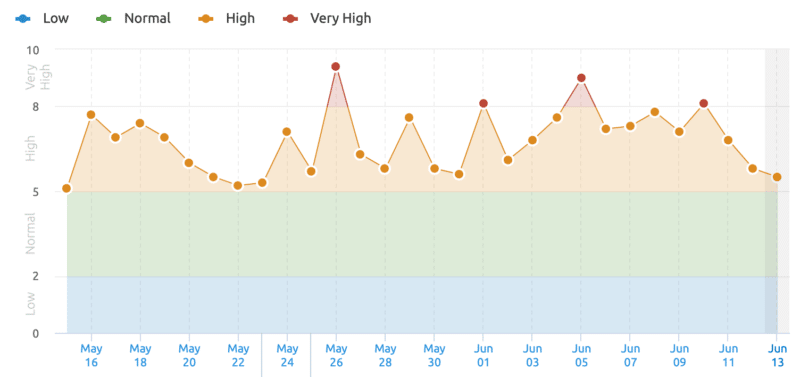
May 2022 core update. On May 25, 2022, Google released the first core update for the 2022 year, the May 2022 core update. That update took 15 days to roll out, ending on June 9, 2022. This update was a big update and rolled out quickly for many queries the data providers track. We did see some “tremors,” shifts in volatility, after the initial update, the largest tremors were around June 5th and that should be the final sets of volatility you would see from the initial broad core update release.
September 2022 core update. On September 12, 2022, Google released the second core update for the 2022 year, the September 2022 core update. That update took two full weeks to roll out, ending on September 26, 2022. This update hit fast, but was less impactful than previous updates. While there was some rank volatility, the consensus was that it was weaker than past Google core updates.
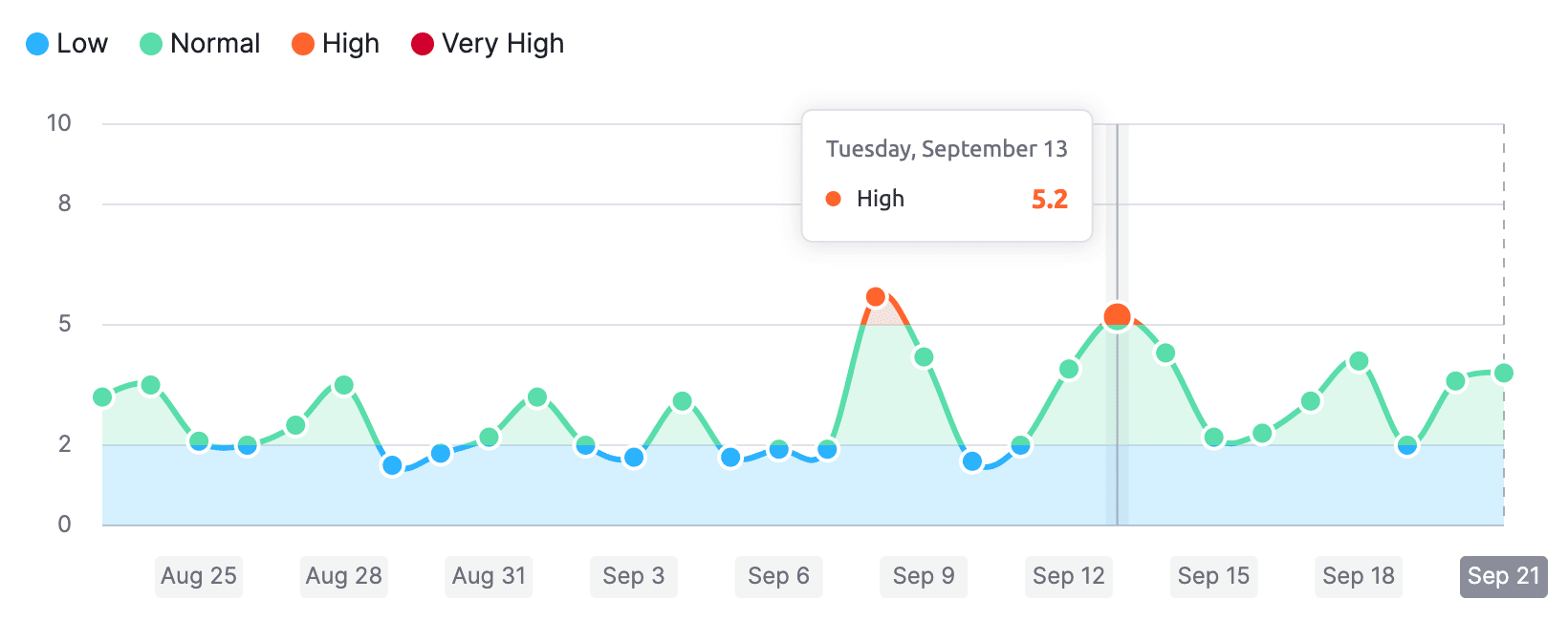
At least we are not expecting any additional core updates by year’s end.
Google’s new two helpful content updates seemed tame
Google released a new algorithm update named the helpful content update, which aim to demote content that is written to rank on search engines and not written to help people.
August 2022 helpful content update. On August 25, 2022, Google released the new helpful content update. The helpful content update will target websites that have a relatively high amount of unsatisfying or unhelpful content, where the content has been written for search engines rather than humans. This update took 15 days to roll out, ending on September 9, 2022. This update did not feel tremendously widespread, but Google did say it was a big update that did not cause a huge shakeup.
December 2022 helpful content update. On December 6, 2022, Google released the second helpful content update, the December 2022 helpful content update. This update is not yet done rolling out but when it is done, I will update this story. (This update took X days to roll out, ending on December X, 2022.) This update also did not feel widespread or all that impactful compared to core updates or product review updates.
Google’s March, July and September product review updates shuffled the shelves
While Google only had two core updates in 2022, it pushed out three product reviews updates in 2022. That is one more product reviews update than in 2021.
March 2022 product reviews update. On March 23, 2022, Google released the first product reviews update for 2022, the March 2022 product reviews update. This update took 19 days to roll out, ending on April 11, 2022. Technically, this was the third product reviews update in history with the first product reviews update was launched on April 8, 2021, and the second was launched on December 1, 2021.
With the third release of the product reviews update, Google said this update “builds on” the work of the first two product review updates to enhance Google’s “ability to identify high quality product reviews.” “This will make it easier for us to get sound purchasing advice in front of users, and to reward creators who are earnest in being helpful,” Alan Kent of Google said.
This update was not as big as the December 2021 update, based on data from the data providers.
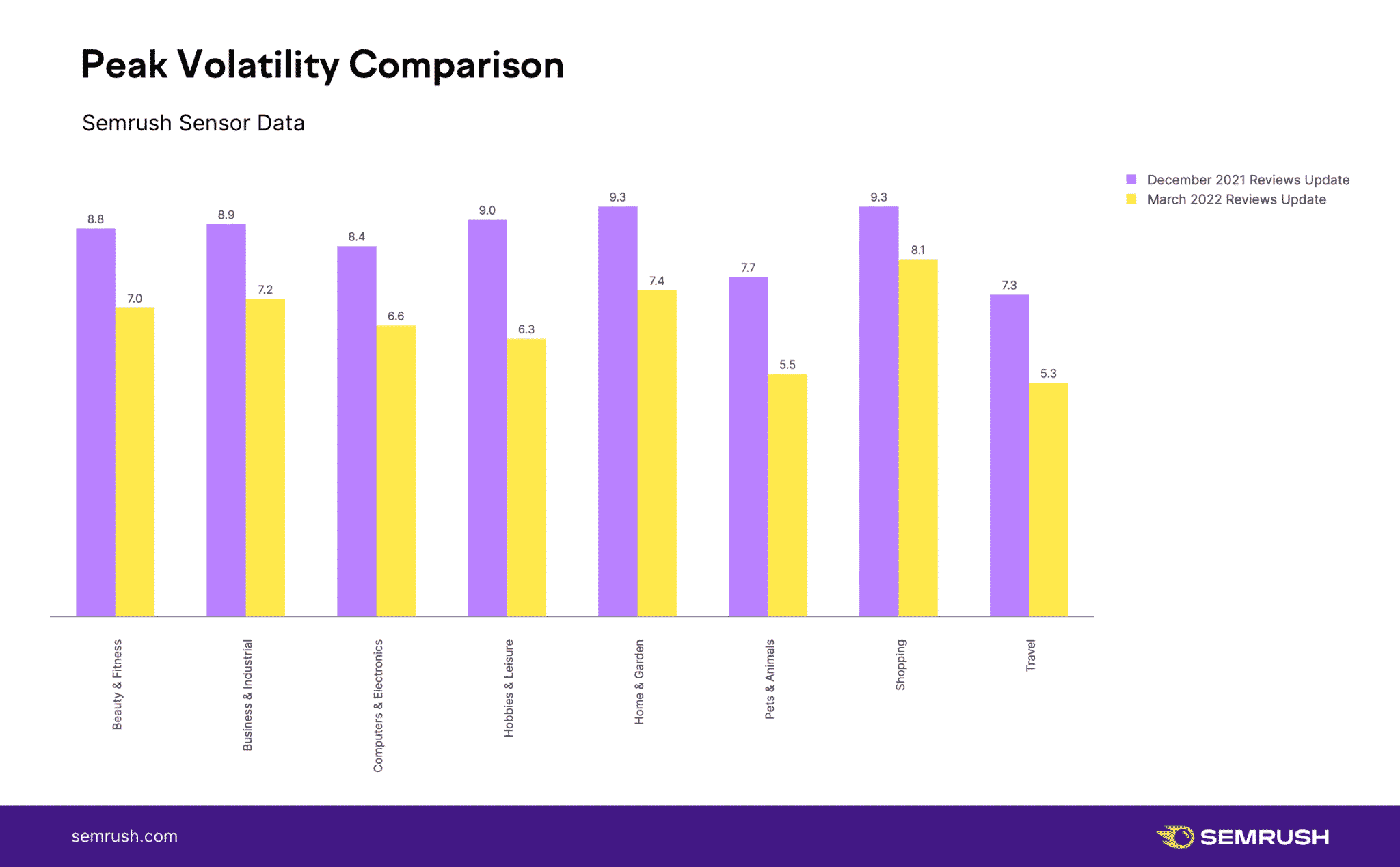
July 2022 product reviews update. On July 27, 2022, Google released the second product reviews update for 2022, the July 2022 product reviews update. This update only took six days to roll out, ending on August 2, 2022. We saw very limited changes from the tracking tools and honestly, while some sites seemed to get hard by this update, it does not seem there was a lot of SEO community chatter around ranking changes due to this update. In fact, we saw a spike on August 3rd but that was after this update was complete.
September 2022 product reviews update. On September 20, 2022, Google released the third product reviews update for 2022, the September 2022 product reviews update. This update also only took six days to roll out, ending on September 26, 2022. This update did not feel as big as the two previous ones but it also overlapped with a core update.
Google’s spam and link spam updates sparked fear
Like with any spam updates, SEOs and content creators become scared and nervous that their sites or content may be hit.
October 2022 spam update. The first spam update of the year was released on October 19, 2022, the October 2022 spam update. This update took only 48 hours to roll out, ending on October 21, 2022. Google used SpamBrain, a form of artificial intelligence, to better detect spam and not rank it in Google Search. This spam update did not feel huge, but it was targeting spam and not content written by normal people for normal purposes.
December 2022 link spam update. Then on December 14, 2022, Google released a link spam update named the December 2022 link spam update. This update is not yet done but when it finished, I will update this story. (This update took X days to roll out, ending on December X, 2022.) This is the first time Google used SpamBrain AI to detect and neutralize link spam. It did seem to have an impact on links and rankings.
Google’s page experience update for desktop
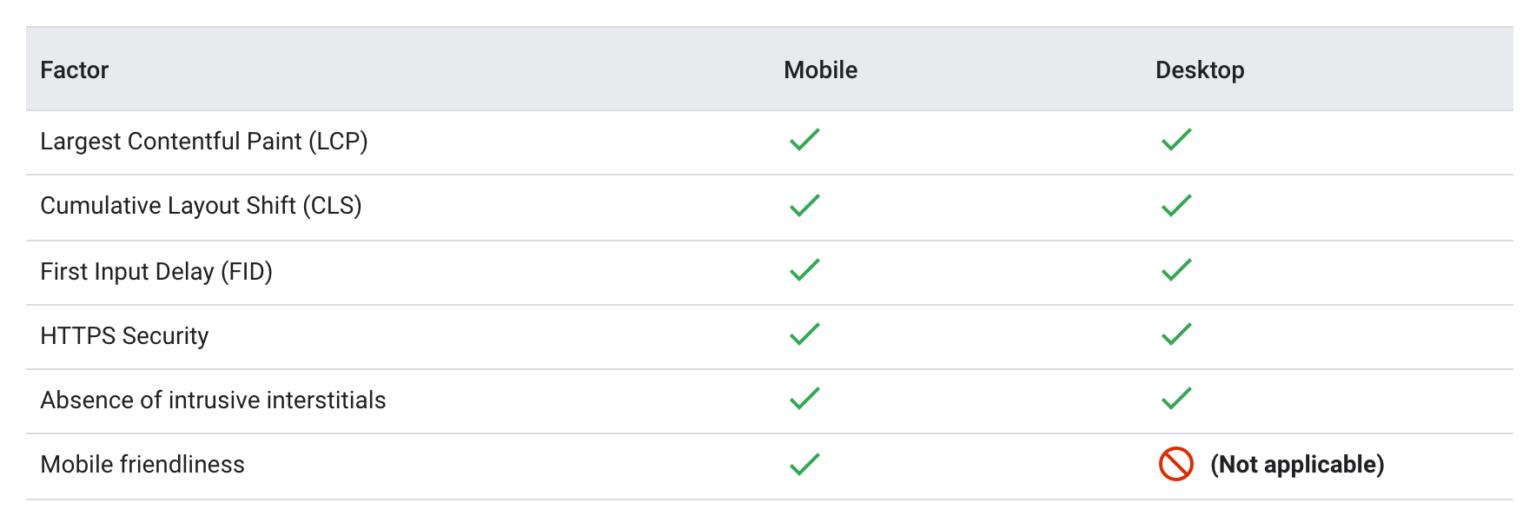
We only had one-page experience update this year, and it was to bring the page experience signals to desktop. This page experience update for deskop was launched on February 22, 2022, and took nine days to roll out, completed on March 3, 2022. This update will include all the current signals of the mobile version of the page experience update, outside of the page needing to be mobile-friendly. Google said all of the page experience factors for mobile would be included, with the exception of the mobile-friendliness requirement, which is obvious.
Other Google algorithm changes, updates, tweaks or topics
Another busy year for the Google Search team, with over 5,500 changes in 2021 alone, and I suspect that number will be higher for the 2022 year.
We learned that the Panda update eventually evolved into the Coati algorithm, although both are now baked into the core algorithm. We actually learned a lot from speaking with Hyung-Jin Kim, VP Search at Google, at SMX, a lot. Google also started to use MUM in more areas, like for featured snippets and more. And Google also updated its title algorithm for multi-lingual or transliterated pages.
Google documented some of the more notable ranking systems, and with that confirmed the 2010 and 2018 page speed algorithms are no longer in use.
Google replaced the Webmaster Guidelines with Google Search Essentials, revamped the quality raters guidelines by adding “Expertise,” an additional E to E-A-T.
Also, we did a deep dive on how Google uses artificial intelligence in search.
Are you all excited for 2023, I know I am.
The post Google algorithm updates 2022 in review: Core updates, product reviews, helpful content updates, spam updates and beyond appeared first on Search Engine Land.
Courtesy of Search Engine Land: News & Info About SEO, PPC, SEM, Search Engines & Search Marketing
Category seo news | Tags:
Social Networks : Technorati, Stumble it!, Digg, de.licio.us, Yahoo, reddit, Blogmarks, Google, Magnolia.
PPC 2022 in review: Performance Max, Apple Search, chaos at Twitter, and more
Written on December 27, 2022 at 7:27 am, by admin
2022 was a wild ride and we’re not just talking about NyQuil chicken or the slap heard ‘round the world at the Oscars. The digital marketing world was inundated with a new Chief twit, old platforms making comebacks (enter Microsoft), and more campaign automation features then we really care for.
As the year comes to a close, let’s take a look at some of the most headline-worthy, controversial, biggest-impacting changes that rocked the PPC world over the last 12 months.
The bigger picture
We asked and you answered. This year marketers told us that although the adoption of Google Ads automation is high, it’s their least favorite part of PPC. The gradual loss of control, as well as forcing automation and broad targeting on marketers, doesn’t give us that warm and fuzzy feeling after all. Who knew?
But automation and economic uncertainty aside, search advertising is thriving and spending in 2023 could hit $112 billion (nearly double the spend in 2019). Google dominates that spend, holding over 56% of ad revenue. Even Black Friday and Cyber Monday hit record numbers this year. So it’s no surprise that digital marketing ranks in the top 3 hottest skills Americans are learning in 2022.
Speaking of skills, our Search Engine Land PPC Award winners were announced. NP Digital was the big winner this year, taking home Agency of the Year along with 2 other awards. Streamline Results took Small Agency of the Year, and Workshop Digital blew us away with Best B2B Search Marketing Initiative. And who can forget Melissa Liu from RPA taking home Search Marketer of the Year. Congrats to all of our winners!
Security concerns and legal woes
Google had to tighten their policies surrounding explicit content after Reuters found illicit ads advertising liquor, sex toys, and high-risk investments. Large brands are even leaving Twitter after finding their ads next to adult, harmful, or violent content. More about Twitter later.
Google security remained in the spotlight when Senator Richard Blumenthal (D-Conn) wrote a letter to CEO Sundar Pichai claiming that Google wasn’t doing enough to crack down on deceptive ads originating from their platform. The claim was citing an investigation from last year claiming that Google advertisers are impersonating government websites and purchasing ads in an effort to scam consumers.
Location data concerns also plagued Google and they were sued by Washington D.C. attorney general Karl Racine. Lawsuits were also filed in additional states.
But Google users concerned about privacy and security may be happy to know that Google updated their My Ad Center features to allow for more control.
TikTok, though making aggressive moves toward a more secure and safe platform, isn’t a stranger to security flaws. The FCC even told (recommended?) that Google and Apple remove it from their app stores for breaching user data. The request claims that U.S. data had been accessed by China and that “TikTok poses an unacceptable national security risk due to its extensive data harvesting being combined with Beijing’s apparently unchecked access to that sensitive data.”
Speaking of TikTok, in an effort to play nice, the social media platform banned political fundraising and started requiring accounts that belong to U.S. government departments, politicians, and political parties to be verified.
We can’t talk about safety and security without talking about Meta. From 12:01 AM PT on Tuesday, November 1, 2022, through 11:59 PM PT on Tuesday, November 8, 2022, no new ads about social issues, elections, or politics were allowed to be published, and most edits will be prohibited. This policy runs every year and is likely in response to the 2016 presidential election.
Hot topics
Russia declared war in Ukraine. In response, Google and Microsoft Bing halted ad sales in Russia. A smart, necessary move to protest Russia’s actions in Ukraine, but they also help search engines avoid brand safety debacles like misinformation campaigns making it through their automated systems and showing to users.
In July Google eased ad restrictions for at-home abortion providers, making it easier for at-home abortion providers to distinguish themselves from other services that try to discourage the practice. Telemedicine providers who mail FDA-approved medications to people looking for at-home abortions previously weren’t allowed to label themselves as abortion providers. But in the aftermath of the Supreme Court overturn of Roe v. Wade, Google has amended its policies.
Gmail, YouTube, Smart Shopping updates; and is Google Search getting worse?
Freakonomics podcast asked us if Google Search was getting worse. What do you think? According to their research, maybe.
Gone but not forgotten
- Gmail campaigns to stop running on June 28. Yep, you read that right. Google announced in January that dedicated Gmail campaigns will no longer run as of June 28.
- Expanded Text Ads (ETAs). Editing or creating new ETAs was no longer a possibility as of June 30. RIP.
Automation & Performance Max
- Google starts automatically upgrading Smart Shopping campaigns to Performance Max. Like it or not, PMax isn’t going anywhere, and if you missed the deadline to switch your SS campaigns over, don’t worry, Google has got your back.
- Google Ads launches placement reports for Performance Max campaigns finally giving advertisers a view into where their ads served, how many impressions they received, and insight into brand safety.
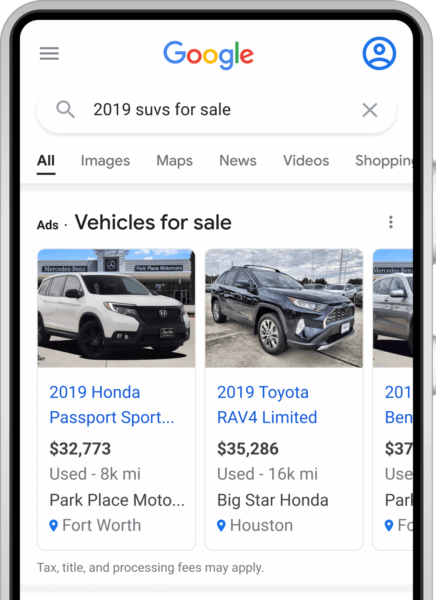
- Google launches automated vehicle ads and are designed to allow auto advertisers to promote their entire vehicle inventory to potential customers on Google.com. This format includes an image of the vehicle, make, model, price, miles and the advertiser’s name.
- Google will automatically switch some advertisers’ attribution models. In a bold, but unsurprising move, Google took it upon themselves to switch advertisers’ attribution models to data-driven.
New & improved
- Google Ad recommendations can now be applied as experiments. Google got this one right. You can now set recommendations to be applied as experiments, lessening the risk of messing with your campaigns.
- Google Ads podcast placement now available. You can now set up an audio or video campaign and set the placement to “podcast.”
- Google Analytics 4 Landing Page report. New GA4 reports were released including Landing Page, Hour & date, Traffic, and more.
- Google Analytics 4 enhanced measurement for forms. Google has added an enhanced measurement option for Form interactions. Now you can not only see when a form has been submitted, but you can also see when one has been started by a new user. Score one for lead gen marketers!
YouTube
- YouTube updates Masthead ad requirements to allow sports betting. A new policy allows ads related to sports betting to show on mastheads, which are visible on desktops, mobile phones and TV screens.
- 3 new YouTube streaming, shopping, and audio features. Moment Blast, expanded product feeds for Discovery ads, and audio ads make their debut.
Cookies
Cookies will remain active on Chrome until 2024. In July, Google announced that their Sandbox initiative has been delayed and developers are aiming for a Q3 2023 launch. Google developers also predict that it will start phasing out third-party cookies in the second half of 2024 – not 2023 like originally planned.
Microsoft is making a giant comeback
Microsoft isn’t new to PPC. But over the years it’s become third, fourth, or even fifth string to Google, Meta, twitter, LinkedIn, and even TikTok. But 2022 impressed us with just the sheer volume of new, improved, and updated features that Microsoft released.
One of the biggest announcements this year was the acquisition of AT&T’s Xandr. By joining forces, Microsoft hopes to combine their audience intel and technology with Xandr’s powerful platform. This could allow Microsoft to leverage their audience network and provide additional inventory such as native video and digital TV.
Microsoft even announced plans to double the size of its ad business to $20 billion. I’d say they’re on the right track, since they also launched in 29 more countries in Europe and Africa.
As if this year couldn’t be any more busy, they also won the bid to partner with Netflix for their ad supported tier. The deal gives Microsoft access to a quality streaming video inventory – something they previously lacked.
New launches
- Cruise Ads were launched and appear on the right-hand side of the Bing search results and appear alongside mainline text ads. They can trigger for queries such as cruise name, location, length, etc.
- Multimedia Ads. The new video and image formats are “infographic-inspired,” meant to “innovate and disrupt web search.”
- New ad type for service providers. Professional service ads can also be used to promote regional offices, branches or even national brands that provide relevant services.
- Cash back incentives. This is a new ad offering that will incentivize shoppers via a rebate upon purchase. Microsoft will choose the “right amount of cashback for the right ad and right user” allowing for advertisers to gather the best possible return on ad spend.
- Pinterest import, Performance Max beta, Multimedia ads support in Editor, and subdomains in DSAs. Whew!
- New audience network markets, automated bidding data exclusions, URL tracking for auto extensions, doctor and clinic beta.
- Credit cards are now available globally. Plus, 10 other updates were announced in November.
- Auto-generated remarketing lists, flyer extensions, and expanded coverage of hotel and property promotion ads closed out the month of December.
- Crypto exchange ads are now allowed on the platform, with pre-approval of course.
- The dreaded auto-apply of recommendations has hit Microsoft, too. In February, auto-apply was out of beta and users started seeing recs being applied to their accounts.
Housekeeping
- Microsoft Advertising extends RSA migration deadline by 60 days. The deadline was extended from June 30 to August 29. But then they extended it again to February 23, 2023.
- New certification badges, levels and a new learning center. There are now three new exams and four new badges you can earn.
Meta takes a backseat
Meta stayed pretty quiet in 2022. With Zuck focusing so much time and resources on the Metaverse, they didn’t launch as many new products or features as Google or Microsoft. That said, there were still a few new developments.
- There’s a new policy in town to fight fake reviews. It targets fake reviews that appear on its Ratings and Review or Question and Answers features on Marketplace and Shops.
- Branded content on Reels was rolled out. Creators can now use the ‘Paid Partnerships with’ label on organic posts, and participating sponsors will be able to easily convert them to Branded Content Ads.
- An HUD settlement changed the way meta delivers ads so advertisers will have a tougher time targeting certain interests and demographics for housing ads.
- The Media Rating Council (MRC), has just given Facebook’s parent company Meta accreditation for their brand-safety efforts on Facebook In-Stream Video and Instant Articles in desktop, mobile web and mobile in-app.
- By order of the UK competition watchdog, Meta was forced to sell Giphy.
- Meta introduced 6 new ways for creators to monetize their content on Facebook and Instagram
- Instagram is scaling back on its shopping features and creating a more simple, less personalized version called “Tab Lite.”
- Facebook live shopping is also going away. Live shopping allowed brands to connect with buyers, but Facebook thinks there’s more value in short-form videos and is shifting its focus to Reels.
Twitter – where do we even begin
Twitter has had an interesting year. It’s not even over and new Chief twit Elon Musk is still making headlines. As always, we try our best to keep you updated with the latest news, as it happens. But Twitter updates are happening faster than we can report, so thanks for sticking around while we try to navigate what’s post-worthy and what’s too ridiculous to even mention.
After the Musk takeover, security policies seemed to loosen and 30+ brands suspended their marketing campaigns after finding their ads next to child pornography accounts.
But despite all the drama, Twitter has released a few new useful tools and features. Let’s take a look.
- Twitter tests 3 new ad formats. Twitter is piloting three new ad types – Interactive Text, Product Explorer, and Collection ads. Only a few brands have access to them, but the new ad types will be visible to all U.S. Twitter users (iOS, Android and the web).
- Twitter now has podcasts. In August, Twitter introduced podcasts as a way to give listeners more opportunities to connect with podcast creators.
- The campaign planner as well as 3 new ad targeting options were released.
- New and improved Pixel, Conversion API, and App Purchase Optimizations enable more privacy, better measurement, and additional web functionality.
TikTok shopping debacle, longer videos, and unhappy creators
TikTok continued to compete against Facebook and Instagram to gain an edge over the short form video market. In doing so, they extended the length of their videos to 10 minutes, and updated the description character limit to 2,200.
But the longer videos and descriptions wasn’t enough to keep creators happy. In July we reported that TikTok’s history of low Creator Fund payouts were forcing some influencers to leave the platform for good. Some creators claim they’re paid between $0.02 – $0.03 per one thousand video views. Yikes!
Shopping confusion
You would think that TikTok would be doing everything they could to get a leg up on other social and ad platforms. So it was surprising when Meta announced their plans to scale back on shopping, TikTik followed suit with its own announcement to abandon plans to bring shopping into the US. Though, understandably after a disastrous launch in the UK.
But just one month later, TikTok announced three new shopping ad features, including video, catalog, and LIVE ads. So what gives?
For their LIVE feature, they aimed at enhancing the experience and promoting greater brand safety, something that the app has been accused of neglecting in the past.
They did this by introducing:
- The introduction of Multi-Guest
- Increasing the LIVE minimum age from 16 to 18
- Introducing safety reminders for all LIVE guests
I think they were hoping that brands that saw features being cut on Meta would abandon the platform and move to TikTok. But has that happened? We shall see.
And to further compete with Meta, TikTok also launched Photo Mode as well as 7 other photo editing features including:
- Edit clips: Stack, trim, and split video clips
- Edit sounds: Cut, trim, and set the duration for sounds
- Edit and position text: More easily edit, position, and set the duration for text
- Add overlays: Add photo and video overlays for picture-in-picture (or video-in-video) stacking
- Adjust video speed: Speed or slow the pace of video clips
- Frame content: Rotate or zoom in and out of frame of individual clips
- Add sound effects. Add musical soundtracks to videos and photo carousels
Look familiar?
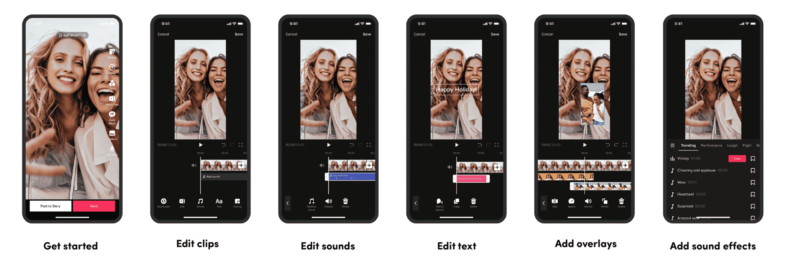
Competing with Amazon, too?
But Meta isn’t the only media giant TikTok is going after. In November, they launched TikTok Shop, where users can now make purchases directly through the app. At the time of this publishing, TikTok is currently inviting select U.S. businesses to participate in the initiative. That means live streamers from places where the feature is not live will need to continue directing shoppers to third-party websites.
Apple
Apple is trying its hardest to join the ad game, but unless you’re a publisher or game developer, there aren’t a ton of options for you right now. But nevertheless, Apple made some noteworthy changes and updates this year. Let’s take a look.
Apple is expanding ads on iPhone and iPad. Display ads are currently shown in the search tab. But soon Apple will expand the ads to the main Today tab as well as in third-party app download pages, according to Bloomberg. For search ads in the app store, developers can pay to have their apps featured in the results when users search terms related to the app.
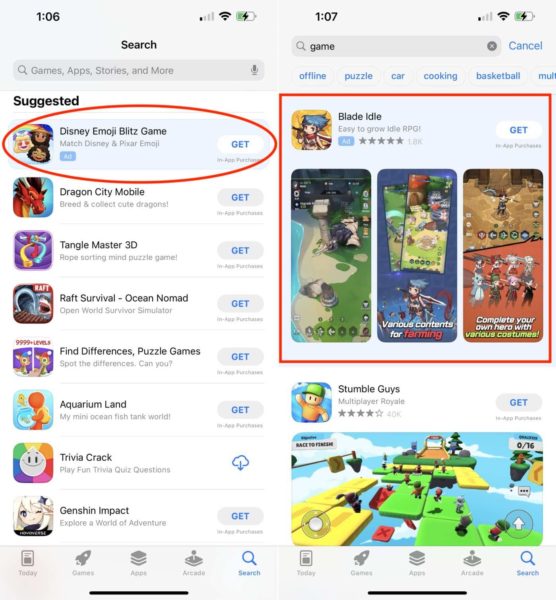
Four new Apple Search Ad placement options. Apple released four new options for advertisers to drive visibility and downloads in the App Store. The new placements are:
- Today tab
- Search tab
- Search results
- Product pages — while browsing
Apple could be building an ad network for live TV. In November we reported that Apple was holding discussions with advertising partners and MLS sponsors with the plan to launch next February.
Apple Search campaigns shifting to cost-per-tap (CPT) pricing model. Starting in June, Apple shifted their model to Cost-per-Tap, or CPT. CPT is Apple’s version of CPC, or cost per click. It is calculated by dividing your total spend by the number of taps your ad received.
Other platforms making headlines
We would be remiss if we didn’t mention that there are plenty of other platforms that made waves in 2022. Although these may not have been big enough to deserve their own category, they definitely deserve mentioning.
Best Buy
Best Buy to sell search ads under its own in-house media company. Best Buy has launched Best Buy Ads, its own in-house media company. Best Buy Ads offers paid search ads and sponsored product listings on Best Buy’s website, among other ad offerings.
Instacart
- Instacart releases a new, streamlined ad creation process. The new ad creation process has advertisers first enter an objective; either reach, engage, or maximize sales. That first initial choice informs the available options and recommendations made downstream in the campaign creation.
- Instacart has launched Coupons and Stock Up & Save promotion campaigns in Ad Manager. Instacart advertisers will now have more options to promote their products on the platform. This week, Promotions were launched in the Ad Manager, giving brands access to Coupons, and Stock Up & Save campaigns. Soon, Instacart will improve on the new Promotions offering with Free Gifts, and Buy One, Get One (BOGO).
Walmart
- Walmart is expanding their self-service Marketplace platform. Search Brand Amplifier gives products listed in the Walmart marketplace higher visibility by boosting advertised products to the top of search results. Walmart says this benefits newer and smaller brands that haven’t achieved high organic listings within the Walmart platform.
- Walmart is now selling ads on TikTok, Roku, and Snap. For the first time ever, Walmart has expanded its ad reach beyond its own ecommerce platform by powering ads on TikTok, Roku, and Snap. They’ll also have the capability to measure any sales that come from those ads.
- A podcast network aimed at professional audiences. The LinkedIn Podcast Network is a pilot program that will include shows about topics such as technology, recruiting and mental health, from external experts as well as its own in-house news team.
- LinkedIn announces Business Manager. Finally! The new Business Manager will aim to simplify how marketers keep track of their accounts by offering their Campaign Manager and Pages options easily visible from a central location.
Pinterest is doubling down on Shopping by adding 4 new features. Pinterest introduced four new merchant features to help retailers promote their stores.
- Product Tagging on Pins
- Video in Catalog
- Shop Tab on Business Profiles
- The API for Shopping
- Live chat, pixel helper, and 7 other Reddit Ads Manager updates. 9 (!) new updates were launched in October to improve the usability of Reddit ads and make it easier for new advertisers to get started, test, and get support.
- Reddit is building an Ads API, first 4 partners announced. The partners will be integrated into the API and are helping build a solution that will inevitably help advertisers build, scale, and optimize campaigns.
Uber
Uber ads are coming, and they’re already raising privacy concerns. Ubers’ new journey ads will be shown in the Uber app at least three times during the riders’ journey. The new feature will let brands place ads using data drawn from riders’ travel history and their precise geographic destinations, according to Uber.
SMX Advanced and SMX Next
We can’t wrap up our 2022 year in review without talking about SMX. We had 2 epic virtual conferences this year with expert speakers discussing topics such as how to leverage automated bidding to finding success with an audience-first strategy. Let’s take a look back.
SMX Advanced
- Brad Geddes kicked us off with a keynote on how to audit your Google ads account like a pro.
- Christine Zirnheld showed us how to layer on the automation by combining automation options.
- Frederick Vallaeys taught us how to create better ads in a world with only RSAs.
- Alyssa Altman and Andy Orlando discussed the role of paid search in attribution.
SMX Next
Did you miss SMX Next, or wanna watch it again? You still can. Registration is free.
- SMX Next PPC kicked off with an incredible keynote from Google’s own Ads Liaison (and former Search Engine Land Editor in Chief) Ginny Marvin.
- Melissa Mackey taught us how to make automation work for lead gen.
- Navah Hopkins gave us the guide to permission based audience targeting.
- Anthony Tedesco showed us how to level up our analytical skills using Excel.
Well that’s a wrap on 2022. What a year it’s been. Looking forward to 2023 I think we’re going to see more automation, a bigger push into GA4 as Universal Analytics gets sunsetted, big moves from Microsoft and other smaller platforms like Walmart and Instacart, and privacy-first strategies as third-party cookies finally retire.
The post PPC 2022 in review: Performance Max, Apple Search, chaos at Twitter, and more appeared first on Search Engine Land.
Courtesy of Search Engine Land: News & Info About SEO, PPC, SEM, Search Engines & Search Marketing
Category seo news | Tags:
Social Networks : Technorati, Stumble it!, Digg, de.licio.us, Yahoo, reddit, Blogmarks, Google, Magnolia.
How Google Autocomplete works
Written on December 23, 2022 at 7:22 pm, by admin
When you go to the Google homepage, you’ll most likely know what you’re about to type into the search box – whether you’re checking in on the weather forecast, looking for a business or service, or want to find out where you recognize that actor from. (Unless you’re “feeling lucky,” that is.)
You enter a word or a single letter, and Google will populate the search box with a list of “predictions” before you’ve even finished typing. This Google feature is called Autocomplete.
But what exactly is it? How does Google come up with those predictions? Read on to find out how Google Autocomplete works.
What is Google Autocomplete?
Autocomplete is a feature within Google Search that, in Google’s own words, is “designed to make it faster to complete searches that you’re beginning to type.”
Starting as an experimental feature in 2004, it was fully introduced four years later as Google Suggest and was renamed Autocomplete in 2010.
It is available anywhere you can expect to find a Google search box, including:
- The Google home page.
- The Google app for iOS and Android.
- The quick search box from within Android.
- The “Omnibox” address bar within Chrome.
Begin typing, and you’ll see predictions appear.
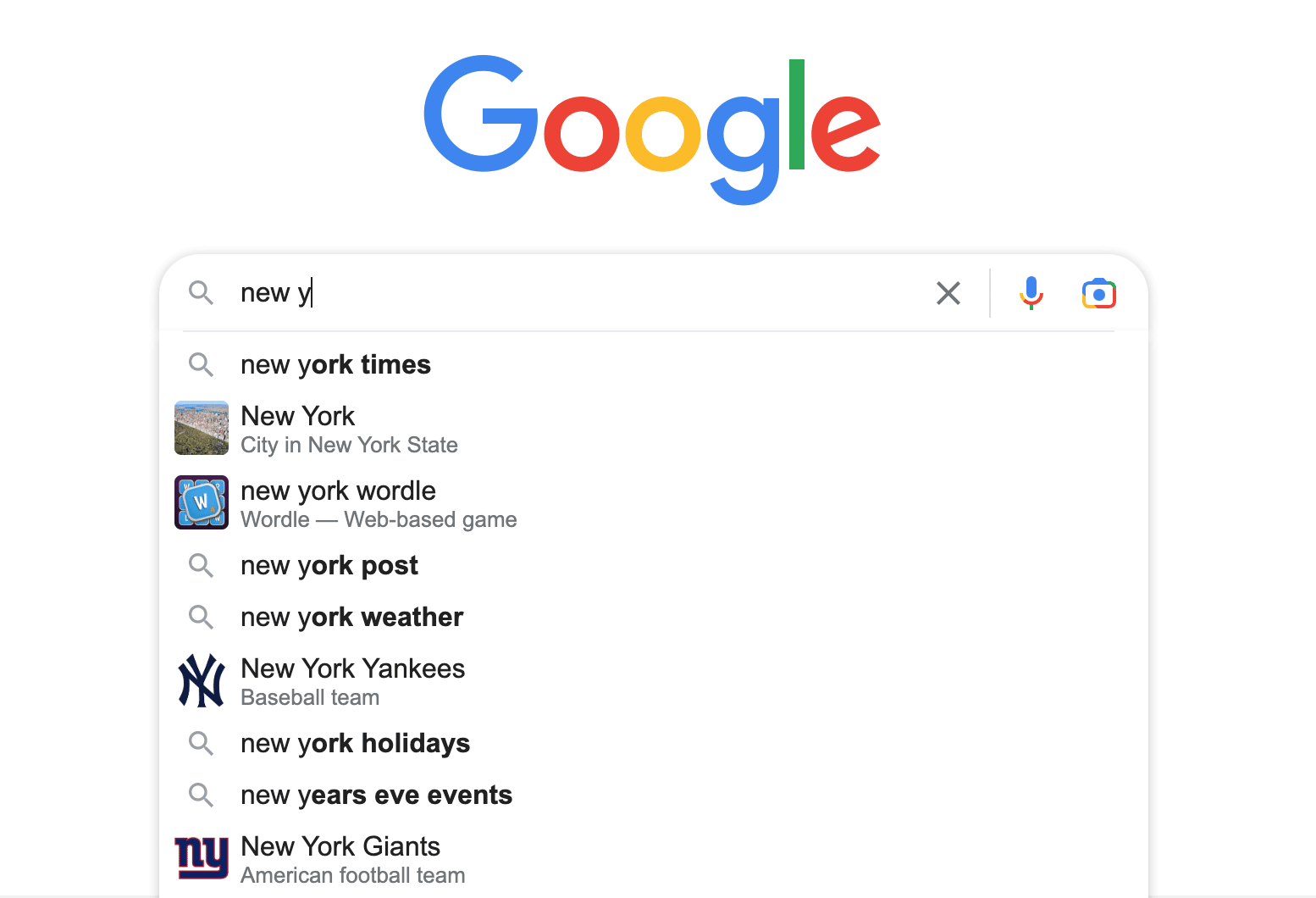
In the screengrab above, you can see that by typing “new y” Google brings up predictions such as “new york times” or “new york Yankees.”
This makes it easy to finish entering your search on these topics without typing all the letters. The predictions change in real-time in response to each character being typed into the search box.
The user then has the option to continue typing their desired query or choose from the dropdown selection.
But if you know what you’re searching for, why do you need Google to tell you?
It saves time. While Autocomplete began as a desktop search feature all those years ago, it has become a popular time-saving feature on mobile devices.
Google estimates that, cumulatively, it saves the equivalent of over 200 years of typing every single day and, on average, reduces typing overall by about 25%.
How Google Autocomplete works
Google Search doesn’t quite know how to read minds. Instead, it makes calculated predictions by looking at searches made by real people.
Autocomplete displays common and trending queries relevant to the characters entered into the search bar.
Here are some key factors used by Autocomplete to predict search queries:
- Overall popularity.
- Trending topics.
- Search history.
- Location.
Put simply, the results shown are influenced by things you’ve previously searched for, the location you’re searching from, and the search term data that Google has gathered – using all of this data to automatically predict what you’re looking for.
Let’s take a closer look at each factor.
The popularity of search queries
When it comes to predicting search queries, popularity often walks hand in hand with what’s trending. But trends can fade over time, whereas one or more subjects might always be commonly linked together.
While some searches are far more common than others, some less popular searches might be shown above more common ones if Google deems them more relevant, the company says. In short, personalized > popular.
Trending searches
We’ve all heard of Google Trends, the website that analyzes the popularity of top search queries across various regions and languages. Well, this isn’t that.
A current trending search is a term or phrase that suddenly spikes in popularity. As people flock to Google to ask the same question, the query can appear as a suggestion, even if it hasn’t gained long-term popularity.
Google uses the following example to explain:
When actress Anna Paquin was getting married, “Anna Paquin wedding” began appearing as a suggestion just before her big day. The term was useful to suggest, as many people were starting to search for it.
If Google had relied solely on long-term data, then the “suggestion” wouldn’t have appeared as an option in the search box, as it hadn’t widely been searched for previously.
And today, Autocomplete no longer offers the term as it didn’t harness enough long-term popularity (though “Anna Paquin married” has stuck).
Previous search queries
The predictions dropdown list will include a variation of topics and questions depending on who is doing the searching. To speed up the search process and identify what you might be looking for, Google sifts through your past searches.
In the example below, you can recognize that a previous search result appears because the text is highlighted in purple.
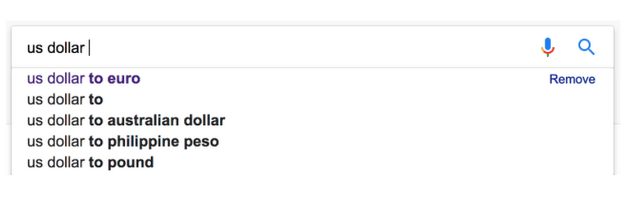
On desktop, you’ll also see the word “Remove” appear next to the prediction, which you can click if you want to delete the past search.
However, on mobile, things look a little different. You’ll see a clock icon on the left for previous searches and an X button on the right to remove it.
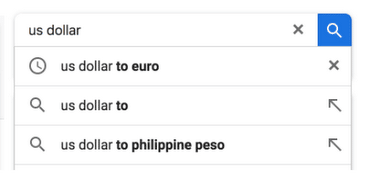
You can also delete all your previous searches in bulk or by particular dates or those matching particular terms using My Activity in your Google Account, regardless of the device you use to search.
Language and location
With a service that seems so personalized, it’s perhaps no surprise that not everyone receives the same suggestions. Among the factors that can tailor your experience is the language you’re searching in and the location you’re searching from.
The country, the state or province, and even the city can all produce different suggestions – whether it’s where you currently live or are originally from.
Different suggestions will also appear if you’ve told Google that you prefer to search in a particular language or based on the language Google assumes you use, as determined by your browser’s settings.
Get the daily newsletter search marketers rely on.
<input type=”hidden” name=”utmMedium” value=”” />
<input type=”hidden” name=”utmCampaign” value=”” />
<input type=”hidden” name=”utmSource” value=”” />
<input type=”hidden” name=”utmContent” value=”” />
<input type=”hidden” name=”pageLink” value=”” />
<input type=”hidden” name=”ipAddress” value=”” />
Processing…Please wait.
Why are some predictions removed?
Google outlines that Autocomplete makes “predictions” rather than “suggestions.”
This could be due to several controversial and legal claims previously made which suggested that Google was promoting harmful, offensive and/or inaccurate information by suggesting certain search queries.
When rebranding in October 2010, Google moved away from “Suggest” since it’s not always offering the most thoughtful, caring, or appropriate term.
The company prefers to use “predictions” and is committed to bettering the service by taking on feedback and monitoring searches.
In addition, Autocomplete is designed to help people complete a search they intended to do. The feature offers predictions based on the query you were likely to continue entering.
While the results show depend on several factors outlined above, Google removes predictions that are against its autocomplete policies, which block:
- Sexually explicit predictions that do not cover or relate to medical, scientific, or sex education topics.
- Hateful predictions against groups and individuals based on race, religion, sexuality or other demographics.
- Violent or harmful predictions.
- Dangerous and harmful activity in predictions.
Google may also remove predictions considered spam, closely associated with piracy, or in response to valid legal requests.
How do inappropriate Autocomplete predictions happen?
While Google has systems designed to automatically catch inappropriate predictions, the search engine processes billions of daily searches.
Billions of searches mean billions of predictions, which means that sometimes, inappropriate predictions can slip through the net.
While some predictions may seem odd, shocking or make you question why someone might want to search for it, looking at the actual search results generated sometimes provides needed context.
In some cases, the search results themselves may make it clearer that predictions don’t necessarily reflect awful opinions which some people may hold but instead may come from those seeking specific content that’s not problematic.
This is why popular searches measured in our Google Trends tool might not appear as predictions within Autocomplete.
Google Trends is a tool designed as a way for anyone to research the popularity of search topics over time, regardless of the search intent.
How to report inappropriate Autocomplete predictions
If you spot something which doesn’t feel right, makes you uncomfortable or might offend someone, you can report using the “Report inappropriate predictions” link, which appears below the search box on desktop.
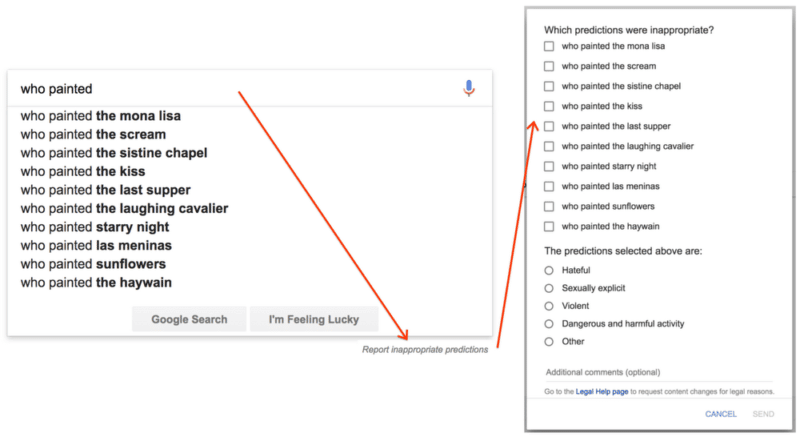
For those searching on mobile or using the Google app for Android, long press on a prediction to get a reporting option. Those using the Google app on iOS can swipe to the left to get the reporting option.
Google reassures users that they don’t just remove a reported prediction that violates their policies but also investigate closely related predictions to provide a broader solution and prevent inappropriate predictions from being made in the future.
More than just Autocomplete
Google Autocomplete benefits all types of users, helping them to make searches and load pages more quickly.
Whether you’re looking to inform your marketing strategy, generate content ideas, research keywords or explore search intent, Autocomplete can be a valuable tool.
Search and digital marketers use it to find out what people are actively searching for so they can better meet their customers’ needs.
The post How Google Autocomplete works appeared first on Search Engine Land.
Courtesy of Search Engine Land: News & Info About SEO, PPC, SEM, Search Engines & Search Marketing
Category seo news | Tags:
Social Networks : Technorati, Stumble it!, Digg, de.licio.us, Yahoo, reddit, Blogmarks, Google, Magnolia.
Google updates ad policies to allow more CBD promotions
Written on December 22, 2022 at 3:11 pm, by admin
On January 20, 2023, Google will update its Dangerous Products and Services and Healthcare and Medicines ads policies to allow for the promotion of FDA-approved pharmaceuticals containing cannabidiol (CBD) and topical, hemp-derived CBD products with THC content of 0.3% or less in California, Colorado, and Puerto Rico.
Why we care. If you’re a brand or advertiser for CBD products in the three approved locations, the new policies will allow you to advertise if you are certified by Google. Advertisers can request certification with Google starting on January 20, 2023, when the form is published.
Certification from LegitScript. Google will only allow CBD products that have been certified by LegitScript to be promoted. The certification process will require that any product that is going to be advertised adhere to the following:
- Provide samples of their product to test for compliance with legal THC limits
- Provide LegitScript a third-party Certificate of Analysis
Still not allowed. Certain formats, including YouTube Masthead, will not be eligible for serving. CBD will be removed from the Unapproved Pharmaceuticals and Supplements list. All ads promoting other CBD-based products, including supplements, food additives, and inhalants, remain disallowed.
Dig deeper. Review the announcement from Google here.
The post Google updates ad policies to allow more CBD promotions appeared first on Search Engine Land.
Courtesy of Search Engine Land: News & Info About SEO, PPC, SEM, Search Engines & Search Marketing
Category seo news | Tags:
Social Networks : Technorati, Stumble it!, Digg, de.licio.us, Yahoo, reddit, Blogmarks, Google, Magnolia.
Merchant Center Feeds issue
Written on December 22, 2022 at 3:11 pm, by admin
Just in time for the holidays, Google has reported a Feeds issue in Merchant Center. The following is a screenshot from the status dashboard.
Why we care. This issue could affect your product feed. Keep an eye on the dashboard for a resolution.
The post Merchant Center Feeds issue appeared first on Search Engine Land.
Courtesy of Search Engine Land: News & Info About SEO, PPC, SEM, Search Engines & Search Marketing
Category seo news | Tags:
Social Networks : Technorati, Stumble it!, Digg, de.licio.us, Yahoo, reddit, Blogmarks, Google, Magnolia.