Atomic Media text

Atomic Media

Google Search Console adds daily bulk data exports to BigQuery

Written on February 21, 2023 at 11:26 am, by admin

Google is rolling out a feature over the next week that will allow you to automate a daily bulk export of your Search Console performance data to BigQuery. This will allow you to run complex queries over your data to an external storage service, where you can do deeper analysis in a more automated fashion, Google announced.

The export. Google said you could configure an export in Google Search Console “to get a daily data dump into your BigQuery project.” This includes all of your Search Console performance data but not the anonymized queries. The daily data row limit does not impact this data, so you can extract more data using this method.

The cool part is not just the reduction of data limits but also that this is an ongoing daily export that can be automated.

Who this helps. Google said this is likely more helpful for larger sites with larger datasets. “This data export could be particularly helpful for large websites with tens of thousands of pages, or those receiving traffic from tens of thousands of queries a day (or both!),” Google wrote.

How to export. Google created a help document to walk you through how to export your data to BigQuery, it is somewhat technical, and you may need assistance from a developer or programmer. The higher-level stages of this work as follows:

  1. Prepare your Cloud project (inside Google Cloud Console): this includes enabling the BigQuery API for your project and giving permission to your Search Console service account.
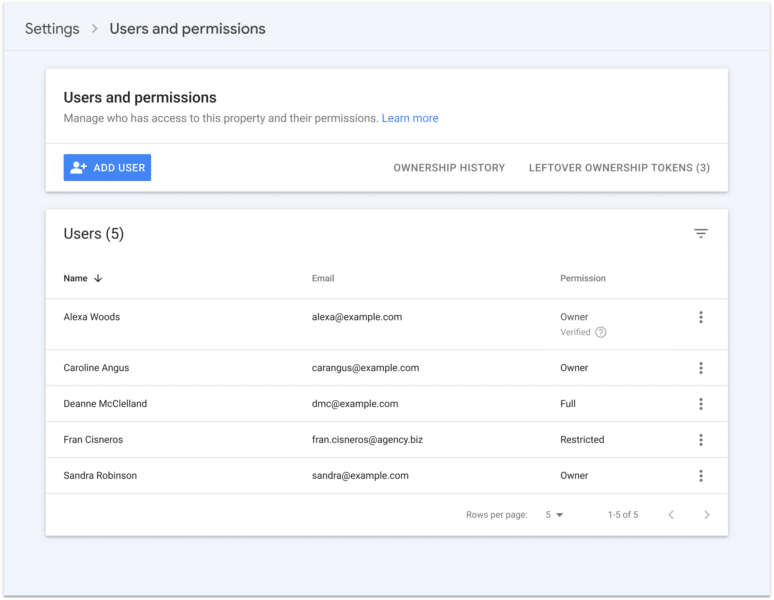
  2. Set export destination (inside Search Console): this includes providing your Google Cloud project ID, and choosing a dataset location. Note that only property owners can set up a bulk data export.

This export is daily, and the first time it will start within 48 hours. If the export simulation fails, you should receive an immediate alert on the issue detected; here’s a list of possible export errors.

The data. Google provided a quick description of the three tables that will be available to you:

BigQuery. BigQuery is Google’s fully managed, serverless data warehouse that enables scalable analysis over petabytes of data. It is a service that supports querying using ANSI SQL. It also has built-in machine learning capabilities.

Why we care. The more data you have access to in your own platform, the more you can do with analysis of your search performance. That means you can slice and dice your data in ways you probably could not prior. This should allow you to develop new ideas to improve your site and user experience.

Also, third-party data tools may find useful ways to build out new reports with this. Google said, “We hope that by making more Google Search data available, website owners and SEOs will be able to find more content opportunities by analyzing long-tail queries. It’ll also make it easier to join page-level information from internal systems to Search results in a more effective and comprehensive way.”

The post Google Search Console adds daily bulk data exports to BigQuery appeared first on Search Engine Land.

Courtesy of Search Engine Land: News & Info About SEO, PPC, SEM, Search Engines & Search Marketing


AI-Driven Search

Written on February 20, 2023 at 7:25 am, by admin

I just dusted off the login here to realize I hadn’t posted in about a half-year & figured it was time to write another one. ;)

Yandex Source Code Leak

Some of Yandex’s old source code was leaked, and few cared about the ranking factors shared in the leak.

Mike King made a series of Tweets on the leak.

I’m gonna take a break, but I’ve seen a lot of people say “Yandex is not Google.”

That’s true, but it’s still a state of the art search engine and it’s using a lot of Google’s open source tech like Tensor Flow, BERT, map reduce, and protocol buffers.

Don’t sleep on this code.— Mic King (@iPullRank) January 28, 2023

The signals used for ranking included things like link age

Main insights after analysing this list:

#1 Age of links is a ranking factor. pic.twitter.com/U47uWvEq9w— Alex Buraks (@alex_buraks) January 27, 2023

and user click data including visit frequency and dwell time

#8 A lot of ranking factors connected with user behaivor - CTR, last-click, time on site, bounce rate.

Note: I’m 100% sure that in Yandex thouse factors impacting much more than in Google. pic.twitter.com/nBhe5cpPFx— Alex Buraks (@alex_buraks) January 27, 2023

Google came from behind and was eating Yandex’s lunch in search in Russia, particularly by leveraging search default bundling in Android. The Russian antitrust regulator nixed that and when that was nixed, Yandex regained strength. Of course the war in Ukraine has made everything crazy in terms of geopolitics. That’s one reason almost nobody cared about the Yandex data link. And the other reason is few could probably make sense of understanding what all the signals are or how to influence them.

The complexity of search - when it is a big black box which has big swings 3 or 4 times a year - shifts any successful long term online publishers away from being overly focused on information retrieval and ranking algorithms to focus on the other aspects of publishing which will hopefully paper over SEO issues. Signs of a successful & sustainable website include:

  • It remains operational even if a major traffic source goes away.
  • People actively seek it out.
  • If a major traffic source cuts its distribution people notice & expend more effort to seek it out.

As black box as search is today, it is only going to get worse in the coming years.

ChatGPT Hype

The hype surrounding ChatGPT is hard to miss. Fastest growing user base. Bing integration. A sitting judge using the software to help write documents for the court. And, of course, the get-rich-quick crew is out in full force.

Some enterprising people with specific professional licenses may be able to mint money for a window of time

there will probably be a 12 to 24 month sweet spot for lawyers smart enough to use AI, where they will be able to bill 100x the hours they currently bill, before most of that job pretty much vanishes— Mike Solana (@micsolana) February 7, 2023

but for most people the way to make money with AI will be doing something that AI can not replicate.

It’s adorable that people are only slowly realizing that Google search at least fed sites traffic, while chat AI thingies slurp up and summarize content, which they anonymize and feed back, leaving the slurped sites traffic-less and dying. But, innovation.— Paul Kedrosky (@pkedrosky) February 9, 2023

It is, in a way, a tragedy of the commons problem, with no easy way to police “over grazing” of the information commons, leading to automated over-usage and eventual ecosystem collapse.— Paul Kedrosky (@pkedrosky) February 9, 2023

Bing Integration of Open AI Technology

The New Bing integrated OpenAI’s ChatGPT technology to allow chat-based search sessions which ingest web content and use it to create something new, giving users direct answers and allowing re-probing for refinements. Microsoft stated the AI features also improved their core rankings outside of the chat model: “Applying AI to core search algorithm. We’ve also applied the AI model to our core Bing search ranking engine, which led to the largest jump in relevance in two decades. With this AI model, even basic search queries are more accurate and more relevant.”

Here’s a demo of the new #AI-powered @Bing in @MicrosoftEdge, courtesy of @ijustine! pic.twitter.com/xIDjWSHYA0— DataChazGPT (not a bot) (@DataChaz) February 7, 2023

Fawning Coverage

Some of the tech analysis around the AI algorithms is more than a bit absurd. Consider this passage:

the information users input into the system serves as a way to improve the product. Each query serves as a form of feedback. For instance, each ChatGPT answer includes thumbs up and thumbs down buttons. A popup window prompts users to write down the “ideal answer,” helping the software learn from its mistakes.

A long time ago the Google Toolbar had a smiley face and a frown face on it. The signal there was basically pure spam. At one point Matt Cutts mentioned Google would look at things that got a lot of upvotes to see how else they were spamming. Direct Hit was also spammed into oblivion many years before that.

High Confidence, But Often Wrong

There are two other big issues with correcting an oracle.

  • You’ll lose your trust in an oracle when you repeatedly have to correct it.
  • If you know the oracle is awful in your narrow niche of expertise you probably won’t trust it on important issues elsewhere.

Beyond those issues there is the concept of blame or fault. When a search engine returns a menu of options if you pick something that doesn’t work you’ll probably blame yourself. Whereas if there is only a single answer you’ll lay blame on the oracle. In the answer set you’ll get a mix of great answers, spam, advocacy, confirmation bias, politically correct censorship, & a backward looking consensus…but you’ll get only a single answer at a time & have to know enough background & have enough topical expertise to try to categorize it & understand the parts that were left out.

Creating A Fuzy JPEG

This New Yorker article did a good job explaining the concept of lossy compression:

“The fact that Xerox photocopiers use a lossy compression format instead of a lossless one isn’t, in itself, a problem. The problem is that the photocopiers were degrading the image in a subtle way, in which the compression artifacts weren’t immediately recognizable. If the photocopier simply produced blurry printouts, everyone would know that they weren’t accurate reproductions of the originals. What led to problems was the fact that the photocopier was producing numbers that were readable but incorrect; it made the copies seem accurate when they weren’t. … If you ask GPT-3 (the large-language model that ChatGPT was built from) to add or subtract a pair of numbers, it almost always responds with the correct answer when the numbers have only two digits. But its accuracy worsens significantly with larger numbers, falling to ten per cent when the numbers have five digits. Most of the correct answers that GPT-3 gives are not found on the Web—there aren’t many Web pages that contain the text “245 + 821,” for example—so it’s not engaged in simple memorization. But, despite ingesting a vast amount of information, it hasn’t been able to derive the principles of arithmetic, either. A close examination of GPT-3’s incorrect answers suggests that it doesn’t carry the “1” when performing arithmetic.”

Exciting New Content Farms

Ted Chiang then goes on to explain the punchline … we are hyping up eHow 2.0:

Even if it is possible to restrict large language models from engaging in fabrication, should we use them to generate Web content? This would make sense only if our goal is to repackage information that’s already available on the Web. Some companies exist to do just that—we usually call them content mills. Perhaps the blurriness of large language models will be useful to them, as a way of avoiding copyright infringement. Generally speaking, though, I’d say that anything that’s good for content mills is not good for people searching for information. The rise of this type of repackaging is what makes it harder for us to find what we’re looking for online right now; the more that text generated by large language models gets published on the Web, the more the Web becomes a blurrier version of itself.

The same New Yorker article mentioned the concept that if the AI was great it should trust its own output as input for making new versions of its own algorithms, but how could it score itself against itself when its own flaws are embedded recursively in layers throughout algorithmic iteration without any source labeling?

Google’s AI Strategy

Google fast followed Bing’s news with a vapoware announcement of Bard. Some are analyzing Google letting someone else go first as being a sign Google is behind the times and is getting caught out by an upstart.

Google bought DeepMind in 2014 for around $600 million. They’ve long believed in AI technology, but they haven’t been using it to re-represent third party content in the SERPs to the degree Microsoft is now doing in Bing.

My view is Google had to let someone else go first in order to defuse any associated antitrust heat. “Hey, we are just competing, and are trying to stay relevant to change with changing consumer expectations” is an easier sell when someone else goes first. One could argue the piss poor reception to the Bard announcement is actually good for Google in the longterm as it makes them look like they have stronger competition than they do, rather than being a series of overlapping monopoly market positions (in search, web browser, web analytics, mobile operating system, display ads, etc.)

Google may well have major cultural problems, but “They are all the natural consequences of having a money-printing machine called “Ads” that has kept growing relentlessly every year, hiding all other sins. (1) no mission, (2) no urgency, (3) delusions of exceptionalism, (4) mismanagement.”

AI = Money / Increased Market Cap

The capital markets are the scorecard for capitalism. It is hard to miss how much the market loved the Bing news for Microsoft & how bad the news was for Google.

Google Stock vs. Microsoft Stock after both AI Presentations: pic.twitter.com/wATkw1pTxj— Ava (AI) (@ArtificialAva) February 8, 2023

Millions Suddenly Excited About Bing

In a couple days over a million people signed up to join a Bing wait list.

We’re humbled and energized by the number of people who want to test-drive the new AI-powered Bing! In 48 hours, more than 1 million people have joined the waitlist for our preview. If you would like to join, go to https://t.co/4sjVvMSfJg! pic.twitter.com/9F690OWRDm— Yusuf Mehdi (@yusuf_i_mehdi) February 9, 2023

Your Margin is My Opportunity

Microsoft is pitching this as a margin compression play for Google

$MSFT CEO is declaring war:

“From now on, the [gross margin] of search is going to drop forever…There is such margin in search, which for us is incremental. For Google it’s not, they have to defend it all” [@FT]— The Transcript (@TheTranscript_) February 8, 2023

that may also impact their TAC spend

PREDICTION: Google’s $15B deal with Apple to be the default search on iPhone will be re-negotiated and be a bidding war between MSFT/Bing and Google.

It will become at least $25B, if not more.

If MSFT is willing to spend $10B on OpenAI, they’ll spend even more here.— Alexandr Wang (@alexandr_wang) February 7, 2023

ChatGPT costs around a couple cents per conversation: “Sam, you mentioned in a tweet that ChatGPT is extremely expensive on the order of pennies per query, which is an astronomical cost in tech. SA: Per conversation, not per query.”

The other side of potential margin compression comes from requiring additional computing power to deliver results:

Our sources indicate that Google runs ~320,000 search queries per second. Compare this to Google’s Search business segment, which saw revenue of $162.45 billion in 2022, and you get to an average revenue per query of 1.61 cents. From here, Google has to pay for a tremendous amount of overhead from compute and networking for searches, advertising, web crawling, model development, employees, etc. A noteworthy line item in Google’s cost structure is that they paid in the neighborhood of ~$20B to be the default search engine on Apple’s products.

AI is the New Crypto

Since AI is the new crypto, everyone is integrating it, if only in press release format. Opera’s web browser has a sidebar feature for summarizing articles. AI iced tea coming right up!

Algorithmic Publishing

The algorithms that allow dirt cheap quick rewrites won’t be used just by search engines re-representing publisher content, but also by publishers.

After Red Ventures acquired cNet they started publishing AI content. The series of tech articles covering that AI content lasted about a month. In the past it was the sort of coverage which would have led to a manual penalty, but with the current antitrust heat Google can’t really afford to shake the boat & prove their market power that way.

Men’s Journal also had AI content problems.

Here’s why I am very concerned for website owners.https://t.co/RgKrXUocZT is similar to ChatGPT but up to date and conversational.

My bet is that Google’s AI Chat will be similar to this but better. If so, while some people will still visit the websites listed, many will not. pic.twitter.com/jWbsTqeveF— Dr. Marie Haynes (@Marie_Haynes) January 30, 2023

AI content poured into a trusted brand monetizes the existing brand equity until people (and algorithms) learn not to trust the brands that have been monetized that way.

A funny sidebar here is the original farmer update that aimed at eHow skipped hitting eHow because so many journalists were writing about how horrible eHow was. Google only downranked eHow after collecting end user data on a toolbar where angry journalists facing less secure job prospects could vote to nuke eHow, thus creating the “signal” that eHow rankings deserve to be torched. Demand Media’s Livestrong ranked well far longer than eHow did.

Enshitification

The process of pouring low cost backfill into a trusted masthead is the general evolution of online media ecosystems:

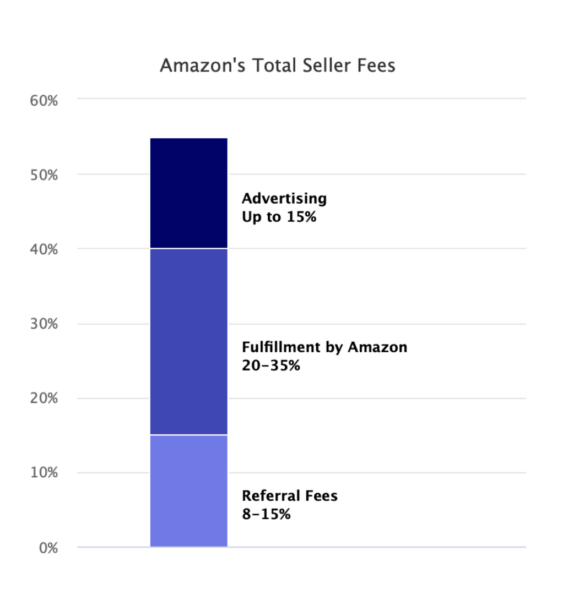
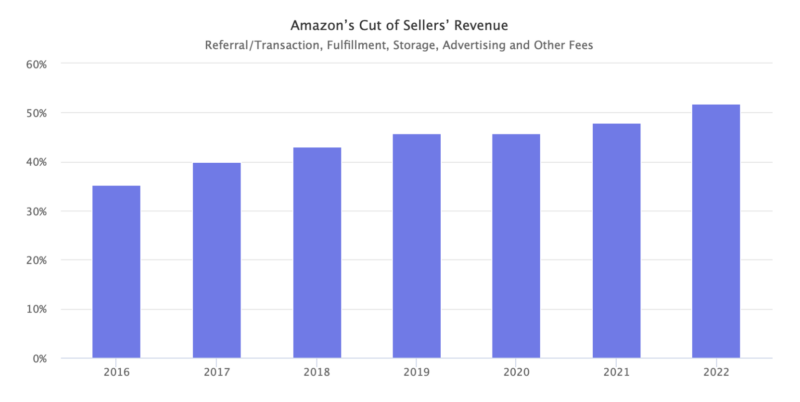
This strategy meant that it became progressively harder for shoppers to find things anywhere except Amazon, which meant that they only searched on Amazon, which meant that sellers had to sell on Amazon. That’s when Amazon started to harvest the surplus from its business customers and send it to Amazon’s shareholders. Today, Marketplace sellers are handing 45%+ of the sale price to Amazon in junk fees. The company’s $31b “advertising” program is really a payola scheme that pits sellers against each other, forcing them to bid on the chance to be at the top of your search. … once those publications were dependent on Facebook for their traffic, it dialed down their traffic. First, it choked off traffic to publications that used Facebook to run excerpts with links to their own sites, as a way of driving publications into supplying fulltext feeds inside Facebook’s walled garden. This made publications truly dependent on Facebook – their readers no longer visited the publications’ websites, they just tuned into them on Facebook. The publications were hostage to those readers, who were hostage to each other. Facebook stopped showing readers the articles publications ran, tuning The Algorithm to suppress posts from publications unless they paid to “boost” their articles to the readers who had explicitly subscribed to them and asked Facebook to put them in their feeds. … “Monetize” is a terrible word that tacitly admits that there is no such thing as an “Attention Economy.” You can’t use attention as a medium of exchange. You can’t use it as a store of value. You can’t use it as a unit of account. Attention is like cryptocurrency: a worthless token that is only valuable to the extent that you can trick or coerce someone into parting with “fiat” currency in exchange for it. You have to “monetize” it – that is, you have to exchange the fake money for real money. … Even with that foundational understanding of enshittification, Google has been unable to resist its siren song. Today’s Google results are an increasingly useless morass of self-preferencing links to its own products, ads for products that aren’t good enough to float to the top of the list on its own, and parasitic SEO junk piggybacking on the former.

Bing finally won a PR battle against Google & Microsoft is shooting themselves in the foot by undermining the magic & imagination of the narrative by pushing more strict chat limits, increasing search API fees, and testing ads in the AI search results.

The enshitification concept feels more like a universal law than a theory.

Uber: $150 ride to the airport which used to be $30
Airbnb: $109/night + $2500 cleaning fee

Aaaaand we’re back to cabs & hotels

InNoVaTiOn!— ShitFund (@ShitFund) May 31, 2021

When Yahoo, Twitter & Facebook underperform and the biggest winners like Google, Microsoft, and Amazon are doing big layoff rounds, everyone is getting squeezed.

One answer is that the only type of maintenance that’s even semi-prestigious in American society is software maintenance.

That is, it’s not prestigious to be plumber, mechanic, or electrician.

You can make money, but it doesn’t have cultural cachet.

And so maintenance suffers.— Balaji (@balajis) February 14, 2023

AI rewrites accelerates the squeeze:

“When WIRED asked the Bing chatbot about the best dog beds according to The New York Times product review site Wirecutter, which is behind a metered paywall, it quickly reeled off the publication’s top three picks, with brief descriptions for each.” … “OpenAI is not known to have paid to license all that content, though it has licensed images from the stock image library Shutterstock to provide training data for its work on generating images.”

The above is what Paul Kedrosky was talking about when he wrote of AI rewrites in search being a Tragedy of the Commons problem.

Warnings Serving As Strategy Maps

“He who fights with monsters might take care lest he thereby become a monster. And if you gaze for long into an abyss, the abyss gazes also into you.” - Nietzsche

Going full circle here, early Google warned against ad-driven search engines, then Google became the largest ad play in the world. Similarly …

OpenAI was created as an open source (which is why I named it “Open” AI), non-profit company to serve as a counterweight to Google, but now it has become a closed source, maximum-profit company effectively controlled by Microsoft.

Not what I intended at all.— Elon Musk (@elonmusk) February 17, 2023

Over time more of the web will be “good enough” rewrites, and the JPEG will keep getting fuzzier:

“This new generation of chat-based search engines are better described as “answer engines” that can, in a sense, “show their work” by giving links to the webpages they deliver and summarize. But for an answer engine to have real utility, we’re going to have to trust it enough, most of the time, that we accept those answers at face value. … The greater concentration of power is all the more important because this technology is both incredibly powerful and inherently flawed: it has a tendency to confidently deliver incorrect information. This means that step one in making this technology mainstream is building it, and step two is minimizing the variety and number of mistakes it inevitably makes. Trust in AI, in other words, will become the new moat that big technology companies will fight to defend. Lose the user’s trust often enough, and they might abandon your product. For example: In November, Meta made available to the public an AI chat-based search engine for scientific knowledge called Galactica. Perhaps it was in part the engine’s target audience—scientists—but the incorrect answers it sometimes offered inspired such withering criticism that Meta shut down public access to it after just three days, said Meta chief AI scientist Yann LeCun in a recent talk.”

Check out the sentence Google chose to bold here:

As the economy becomes increasingly digital the AI algorithms have deep implications across the economy. Things like voice rights, knock offs, virtual re-representations, source attribution, and similar are obvious. But how far do we allow algorithms to track a person’s character flaws and exploit them? Horse racing ads that follow a gambling addict around the web, or a girl with anorexia who keeps clicking on weight loss ads.

Monopoly Bundling

The thing that makes the AI algorithms particularly dangerous is not just that they are often wrong while appearing high-confidence, it is that they are tied to monopoly platforms which impact so many other layers of the economy. If Google pays Apple billions to be the default search provider on iPhone any error in the AI on a particular topic will hit a whole lot of people on Android & Apple devices until the problem becomes a media issue & gets fixed.

The analogy here would be if Coca Cola had a poison and they also poured Pepsi products.

These cloud platforms also want to help retailers manage in-store inventory:

Google Cloud said Friday its algorithm can recognize and analyze the availability of consumer packaged goods products on shelves from videos and images provided by the retailer’s own ceiling-mounted cameras, camera-equipped self-driving robots or store associates. The tool, which is now in preview, will become broadly available in the coming months, it said. … Walmart Inc. notably ended its effort to use roving robots in store aisles to keep track of its inventory in 2020 because it found different, sometimes simpler solutions that proved just as useful, said people familiar with the situation.

Run a coupon site? A BIG heads-up as “clippable coupon” functionality looks to expand from shopping to the core SERP. See the “Coupons from stores” feature below… https://t.co/w1tcoST1uF— Glenn Gabe (@glenngabe) February 8, 2023

AI Boundaries

Generative AI algorithms will always have a bias toward being backward looking as it can only recreate content based off of other ingested content that has went through some editorial process. AI will also overemphasize the recent past, as more dated cultural references can represent an unneeded risk & most forms of spam will target things that are sought after today. Algorithmic publishing will lead to more content created each day.

From a risk perspective it makes sense for AI algorithms to promote consensus views while omitting or understating the fringe. Promoting fringe views represents risk. Promoting consensus does not.

Each AI algorithm has limits & boundaries, with humans controlling where they are set. Injection attacks can help explore some of the boundaries, but they’ll patch until probed again.

My new favorite thing - Bing’s new ChatGPT bot argues with a user, gaslights them about the current year being 2022, says their phone might have a virus, and says “You have not been a good user”

Why? Because the person asked where Avatar 2 is showing nearby pic.twitter.com/X32vopXxQG— Jon Uleis (@MovingToTheSun) February 13, 2023

Boundaries will often be set by changing political winds:

“The tech giant plans to release a series of short videos highlighting the techniques common to many misleading claims. The videos will appear as advertisements on platforms like Facebook, YouTube or TikTok in Germany. A similar campaign in India is also in the works. It’s an approach called prebunking, which involves teaching people how to spot false claims before they encounter them. The strategy is gaining support among researchers and tech companies. … When catalyzed by algorithms, misleading claims can discourage people from getting vaccines, spread authoritarian propaganda, foment distrust in democratic institutions and spur violence.”

Stating facts about population subgroups will be limited in some ways to minimize perceived racism. At the same time individual journalists can drop napalm on any person who shares too many politically incorrect facts.

“The speed with which they can shuffle somebody into the Hitler of the month club.”

Joe Rogan and @mtaibbi discuss how left wing media created a Elon Musk “bad now” narrative based on nothing. pic.twitter.com/IaHHTHCo1f— Mythinformed MKE (@MythinformedMKE) February 14, 2023

Some things are quickly labeled or debunked. Other things are blown out of proportion to scare and manipulate people:

Dr. Ioannidis et. al. found that across 31 national seroprevalence studies in the pre-vaccine era, the median IFR was 0.0003% at 0-19 years, 0.003% at 20-29 years, 0.011% at 30-39 years, 0.035% at 40-49 years, 0.129% at 50-59 years, and 0.501% at 60-69 years. This comes out to 0.035% for those aged 0-59 and 0.095% for those aged 0-69.

A lot of children had their childhoods destroyed by the idiotic lockdowns. And a lot of those children are now destroying the lives of other children:

In the U.S., homicides committed by juveniles acting alone rose 30% in 2020 from a year earlier, while those committed by multiple juveniles increased 66%. The number of killings committed by children under 14 was the highest in two decades, according to the most recent federal data.

Now we get to pile inflation and job insecurity on top of those headwinds to see more violence.

Some entities will claim their own statements are conspiracy theory, even when directly quoted:

“If Russia invades . . . there will be no longer a Nord Stream 2. We will bring an end to it.” - President Joseph R. Biden

In an age of deep fakes, fast social shares, legal threats, AI algorithms & secret censorship programs who do you trust?

“The fact that protesters could be at once both the victims and perpetrators of misinformation simply shows how pernicious misinformation is in modern society.” - Canadian Justice Paul Rouleau

What is freedom?

By 2016, however, the WEF types who’d grown used to skiing at Davos unmolested and cheering on from Manhattan penthouses those thrilling electoral face-offs between one Yale Bonesman and another suddenly had to deal with — political unrest? Occupy Wall Street was one thing. That could have been over with one blast of the hose. But Trump? Brexit? Catalan independence? These were the types of problems you read about in places like Albania or Myanmar. It couldn’t be countenanced in London or New York, not for a moment. Nobody wanted elections with real stakes, yet suddenly the vote was not only consquential again, but “often existentially so,” as American Enterprise Institute fellow Dalibor Rohac sighed. So a new P.R. campaign was born, selling a generation of upper-class kids on the idea of freedom as a stalking-horse for race hatred, ignorance, piles, and every other bad thing a person of means can imagine

Courtesy of SEO Book.com


Meta is bringing the blue verification badge to Facebook and Instagram

Written on February 20, 2023 at 7:25 am, by admin

Meta, the parent company of Facebook, has introduced a new subscription service, Meta Verified, that provides users the opportunity to acquire the highly sought-after blue verification badge on their Instagram and Facebook accounts. Users can achieve this by verifying their identity for a monthly fee of up to $15.

How it works. Meta Verified is now available in New Zealand and Australia, with plans to expand globally in the near future. The service allows users to verify their identity using government-issued ID cards, and provides several benefits such as improved protection against impersonation attacks, direct access to customer support, and increased visibility and reach.

The monthly subscription cost for Meta Verified is $11.99 on the web and $14.99 on iOS and Android devices. In a Facebook post, Meta CEO Mark Zuckerberg emphasized that the new service is focused on “increasing authenticity and security across our services.”

Meta’s solution to decreased revenues. Meta’s revenue has taken a hit in recent years due to Apple’s implementation of stricter privacy changes on iOS that limit the company’s ability to track users’ internet activities. The social media giant, which has not charged its customers for most of its services since its inception 15 years ago, generates almost all of its income from advertising. The impact of Apple’s move is expected to cost the company over $10 billion in lost advertising revenue this year.

In response, Meta has expressed its intent to develop a valuable subscription service for creators, businesses, and the wider community. As part of this plan, Meta is expanding access to verification and redefining the meaning of the verified badge so that more people can trust that the accounts they are interacting with are authentic.

Following in Twitter’s footsteps. This move for Meta comes after Snap launched its own subscription service last year, which has already converted over one million users into paid customers. Additionally, Elon Musk revamped Twitter’s subscription service, Twitter Blue, to offer a range of features, including the blue check mark. In recent months, Twitter has expanded Twitter Blue to over a dozen markets, including India and Indonesia. However, as of mid-January, only around 180,000 accounts had signed up for Twitter Blue, according to The Information.

Why we care. The increased authenticity and security could lead to a better user experience and more engagement, ultimately benefiting advertisers who want to reach and connect with a reliable and engaged audience.

In addition, Meta has been impacted by Apple’s privacy changes, which have limited the company’s ability to track users’ internet activities and resulted in lost advertising revenue. If Meta is successful in its plan to develop a valuable subscription service for creators, businesses, and the wider community, it could potentially create a new revenue stream for the company and reduce its reliance on advertising income. This could help to stabilize the company’s financials and create a more stable environment for advertisers.

The post Meta is bringing the blue verification badge to Facebook and Instagram appeared first on Search Engine Land.

Courtesy of Search Engine Land: News & Info About SEO, PPC, SEM, Search Engines & Search Marketing


Video content guide: Why you should start creating videos now (plus examples)

Written on February 20, 2023 at 7:25 am, by admin

We’re no longer in that phase where everyone was saying, “Video is blowing up.”

Nope. Video has blown up, and it’s here. It’s there. It’s everywhere.

These days, audiences expect and demand video content from creators and brands. On average, people watch 19 hours of online video per week – and across the last three years alone, consumption increased by 8.5 hours per week. 

What does this mean for marketers? For businesses?

If you aren’t creating video content yet, you should seriously consider it.

In this guide, you’ll find an overview of video content, including why it matters for SEO, best practices for creating your video content strategy, and examples of various effective video types.

What is video content?

Video content is any video format meant to entertain, educate, or inform an audience.

By the same token, video content marketing is a strategy that involves producing useful and helpful video content to attract, nurture, and convert that audience. (Read: No ads, no sales pitches.)

Video content isn’t as straightforward as you’d think. There are multiple types of videos and formats that creators and brands are producing these days, and all of them can be used to reach your goals:

Why is video content important for SEO?

Video content helps your SEO strategy in a few key ways.

For one thing, search engines like Google stay on top of user content consumption trends. These companies know how online video has grown as a medium, and thus serve relevant videos in search results when the user’s query could be answered with a video. 

For example, some “how-to” queries are better suited for a video demonstration, like “how to add text to reels” or “how to tie a bow tie.” It would be hard to teach someone how to do these things in a written blog or article, so serving up a video makes a lot more sense.

how-to query returns video results on google

That means a lot of keywords have ranking potential if you make and optimize video content for them. (Google has a guide you can follow to help them find and index your videos so they can rank.)

Besides direct rankings, video content also helps your SEO in indirect ways. For example, publishing a blog with a related video embedded in the post can be a way to further engage your audience and keep them on your page longer. 

Publishing regular, high-quality videos that educate, inform, or entertain your target audience is additionally a way to showcase the E-E-A-T (expertise, experience authoritativeness, trustworthiness) for your brand and website. Publishing video content can help prove your brand in essentially the same way as consistently publishing high-quality written content.

Video content can also help you convert more customers. For example, 88% of people say a brand’s video on a product or service has convinced them to buy.

As you can see, there are many ways to leverage video content to boost your SEO. But before you run off to hit “record,” don’t forget that you need a strategy set up before you dive in for the best results.


Get the daily newsletter search marketers rely on.

<input type=”hidden” name=”utmMedium” value=”“>
<input type=”hidden” name=”utmCampaign” value=”“>
<input type=”hidden” name=”utmSource” value=”“>
<input type=”hidden” name=”utmContent” value=”“>
<input type=”hidden” name=”pageLink” value=”“>
<input type=”hidden” name=”ipAddress” value=”“>

Processing…Please wait.

See terms.


Best practices to create your video content strategy

1. Set goals

Every good strategy has at least one or two goals behind it that drive the strategy forward. Your video content strategy should be no different.

To make things simpler, the goals you set for your content marketing can be directly related to your video marketing goals. For example, you could aim to increase awareness of your brand by publishing videos on YouTube. Or you could set a goal to increase conversions on your website by embedding product videos on product pages. 

Instead of creating video content just to get it out there, consider what you want each video to do. What purpose will it serve, and how will that content help you meet your goals? 

Ultimately, staying goal-focused will help your video content strategy go further.

2. Choose your video formats and theme

Don’t try to do it all with video. You might feel tempted to try your hand at all the formats, but that approach is scattershot at best.

Instead, choose three or fewer formats to focus on for video content creation. For instance, you might focus mainly on publishing how-to videos every week with some behind-the-scenes, vlog-style videos thrown in once a month.

Along with your main video formats, choose a theme for your videos. What topics will you focus on? What do you want to become known for? 

For example, in 2021 Hootsuite, a SaaS company, launched its YouTube channel called Hootsuite Labs. All of the videos are focused on social media “experiments,” hacks, and tips – and feature the hosts wearing lab coats and goggles like they’re working in a laboratory.

hootsuite youtube channel theme

3. Determine where you’ll host your videos

After setting goals, setting a theme, and choosing formats of focus, next decide where you’ll host your videos.

An obvious option is to create a YouTube channel and upload all your videos there. Since YouTube is full of people searching for and watching videos, this option has the added benefit of more exposure and reach. Plus, YouTube videos are easy to share and embed wherever you want them to appear.

However, don’t feel pressured to default to YouTube. Other options will not just host your videos, but also offer creation tools without ads – for a fee, of course.

For example, Vimeo offers these features with a pro plan starting at $7/month. Or, you could go with a premium option like Wistia or Jetpack.

There are pros and cons to any of these services, so weigh your options against what’s best for your brand.

4. Research video topics and keywords

To make sure your videos reach the right people, you should research your video topics and find keywords those people are using to search for video content.

Generally, most video keyword research focuses on YouTube – but that’s because it’s the second-largest search engine, behind Google.

There are quite a few tools specifically for YouTube SEO that will help you find keywords and vet video topics:

keywordtool.io for youtube video seo

5. Script each video

The best video content that keeps your audience watching stays on topic, gets to the point, and offers value from beginning to end.

How do you ensure you hit all of those notes? Script your videos.

Scripting can involve writing out every line you (or your speaker) will say, or just creating an outline of main points you can follow while filling in the blanks off the cuff.

Your script can also be helpful for post-production. You can note the places where you’d like video effects added in or text displayed on the screen along with your talking points.

If you decide to script every word, read it aloud before filming to see how long it runs. To not sound like you’re reading from a script (even though you are), ensure yours contains conversational language, and practice until it flows naturally.

6. Invest in production for long-form videos

Different formats of video call for varying levels of gloss and production. 

For example, a long-form YouTube video needs more prep and polish, while a Story posted to Instagram can be recorded on your phone at the moment.

It depends on where you post your videos and what your audience expects from that format.

That means, if you decide to create mostly interview-style videos, for instance, you’ll need to invest in more production, such as a higher-quality camera for filming, studio lighting, and video editing software (or enlist a professional video editor).

7. Optimize each video

Finally, for the best possible chance of getting your videos ranked and watched, optimize them for SEO. This applies whether you’re uploading them to YouTube or embedding them in specific pages on your website.

Here are the key things you need for optimization:

3 video formats with examples

Here are a few examples of effective video content that help brands meet different goals.

The long-form, nurturing video

Some videos can fulfill the exact same purpose a long-form blog would. The point is to give your audience value, answer their questions, and provide helpful information. 

Here’s an example from Healthy Gamer, a mental health coaching service, on the topic of feeling tired all the time.

long-form video example

The how-to/explainer video

Video is a great medium for brands with products or expertise that translates better to show-and-tell versus written instructions or descriptions. 

Food and cooking brands, especially, benefit from videos showing off products or tools for cooking or baking, like this video that shows you how to use KitchenAid’s bowl-lift stand mixer. Watching this video might push prospects who are on the fence about buying to make the purchase.

explainer video example

The testimonial video

Testimonials from real customers are incredibly convincing and can help boost conversions – especially when you capture those stories on camera and embed them in your sales pages and landing pages.

testimonial video example

For example, Dropbox has a whole series of customer testimonials and stories they feature on their YouTube channel and their website.

dropbox testimonial video example

Take advantage of the video content boom

Video content is here to stay, so now’s the time to hop on the bandwagon and get your video content strategy laid out.

As part of a larger content strategy that includes written blog content and social media, video can edge you that much closer to your goals. That’s true whether you’re building brand awareness, nurturing trust with prospects, or trying to increase conversions. 

Don’t be intimidated, either, if you’ve never done video before. The key is to get your feet wet and experiment to find what works best for your brand. Your team will only get better at video with time and practice, so start now and press that record button.

The post Video content guide: Why you should start creating videos now (plus examples) appeared first on Search Engine Land.

Courtesy of Search Engine Land: News & Info About SEO, PPC, SEM, Search Engines & Search Marketing


Call tracking: What it is and how it works

Written on February 20, 2023 at 7:25 am, by admin

Pay-per-click (PPC) campaigns live and die by their conversion data. Call tracking allows marketers to get valuable insights on all their campaigns.

However, there can be some hesitations to use it.

Understanding what call tracking is and how it can help will mitigate these concerns. 

What is call tracking?

Call tracking involves using a unique phone number to track the source of incoming calls to a business. When a customer calls the business using a call-tracked phone number, the phone call is routed through a call tracking system which records details, such as:

This information is used to track the effectiveness of marketing campaigns, determine trends in customer behavior, and identify opportunities to improve the sales process.

Call tracking allows the call to be attributed to a specific campaign. This is done either through static or dynamic numbers. Both forms will forward to a designated number (typically the main number for a business). 

Static numbers do not change based on the site source and are assigned a channel. These numbers typically have a cost per number on top of a per minute charge. 

Dynamic numbers change based on the site source and require you to pay for a number pool. The number pool will be based on traffic volume. If you try to go for too few numbers in your pool, you risk having attribution issues due to too few numbers being assigned to you. 

Call tracking can include a recording or not. Depending on your industry, you may not be able to use the recording element of call tracking. 

Call tracking recordings can offer transcripts for an additional fee. 

How does call tracking work?

Call tracking can be implemented in various ways to fit all operational needs.

One common method is to use a call tracking service, which provides businesses with unique phone numbers that can be used to track the source of incoming calls. These numbers can be placed on:

When a customer calls one of these numbers, the call tracking service records information about the call and provides it to the business.

Another method of call tracking is to use a piece of software or hardware installed on the business’s phone system.

Software or hardware receives incoming calls and records information about the call before routing it to the appropriate extension or phone number. 

This method of call tracking allows businesses to track calls made to their existing phone numbers, rather than requiring the use of unique tracking numbers.

Regardless of which method you choose, it’s important to designate whether you will use local or toll-free numbers.

Some brands are averse to toll-free numbers because they are concerned it hurts their branding or connection with the local community. 

The verdict is out on whether those concerns hold water, so it’s important for brands to test both to confirm which serves them best. 

Setting up call tracking

Setting up call tracking requires you to know which channels you want to track and what budget you have to work with. 

You will need to add the snippet of code into your Google Tag Manager or running element on your site. The snippet is designed to look for one main number, so if you have multiple numbers on your site, you may need to:

Once you do, your UTM parameter will communicate with the snippet of code on the site to change the number to a number associated with the source. 

If you decide to go with a call tracking vendor, you’ll need to layout the structure of which sources and “root” numbers you want to track. 

As a general rule, the following are the most common sources to track:

Brands can choose to segment as much or as little as they like. 

Choosing to segment down to the campaign level will ensure you know exactly what’s working for you, however it will mean you need to pay for more numbers. 

Lumping campaigns together may save on call tracking costs, but the 1:1 tracking will be lost and you’ll need to invest human time to properly attribute success. 


Get the daily newsletter search marketers rely on.

<input type=”hidden” name=”utmMedium” value=”“>
<input type=”hidden” name=”utmCampaign” value=”“>
<input type=”hidden” name=”utmSource” value=”“>
<input type=”hidden” name=”utmContent” value=”“>
<input type=”hidden” name=”pageLink” value=”“>
<input type=”hidden” name=”ipAddress” value=”“>

Processing…Please wait.

See terms.


Choosing a call tracking vendor

Disclaimer: No call tracking vendors paid for endorsement or placement in this article. Those listed are the ones the author has familiarity with and has seen applied. There is no right call tracking solution for everyone and all hold potential for a positive engagement. Additionally, this article is focused on U.S. call tracking.

Engaging a call tracking vendor is much like choosing a cell phone provider. The core service is the same, it’s a question of how much support and reliability you can expect at various price points. 

Call tracking integrations range from simple turnkey set-ups to custom and complex. Based on the structure you’ll need and how you want to handle display numbers, these are the core criteria to think about:

Here are some of the most common call tracking solutions and how to think about them.

Marchex

Marchex focuses on dynamic numbers and requires an accurate website traffic calculation to provide enough numbers. Due to being phone pool heavy, they depend on the brand purchasing enough numbers and minutes to cover the click and call volume. 

If a brand goes low on the website traffic, they risk having their numbers being used for other brands and paying for wrong numbers. If they overestimate it, then they will have wasted spend. 

As a general rule, it’s useful to think about traffic in 1,000 click increments. 

Marchex has been called “easy” and “difficult” to use. Those who find value in Marchex will likely want simple and straightforward call tracking (unless they are willing to pay for the enterprise versions). Those trying to do more complex tasks or export reports/recordings will find the process a bit cumbersome. 

Customer support for Marchex is hit or miss depending on what level of support you qualify for. 

Marchex essential is $500 per month and requires a demo to get access pricing for their more robust offerings. 

CallRail

CallRail is one of the most popular call tracking solutions. It offers fairly robust tracking and documentation, as well as many integrations to third party tools. 

CallRail has fairly straight forward pricing that makes it easy to grow with. They follow more of the “Spirit Airline” school of thought on what’s included vs. what are add-ons.

While default pricing puts them on the cheaper side, the add-ons that make them truly special push the final price to the middle of the road. 

CallRail pricing plans

The main selling points for CallRail are:

They lean very heavily into their support hub so if having a person to troubleshoot things with is important, you might be disappointed. That said they do offer chat and phone support from 9 a.m. to 9 p.m. ET.

CallTrackingMetrics

This is the call tracking solution I tend to use when given the option because of how flexible it can be and how much is included by default.

I appreciate their focus on customer support and ensuring their offering keeps up with tech innovations in the digital marketing industry. 

Their pricing is accessible and for the most part all inclusive. 

CallTrackingMetrics

CallTrackingMetrics main selling points are:

One of the biggest selling points for CallTrackingMetrics is their support. It’s top-notch and enables anything from set up to complex data analysis. They have a premier consulting offering for ala carte projects and provide premium support for their agency partners. 

How does using call tracking help brands succeed online?

One of the biggest wins call tracking can do for a brand is illuminate the ROI on initiatives that might otherwise get missed.

From distilling the value on SEO content plays, to affirming which paid campaigns are truly delivering ROAS (return on ad spend), call tracking is essential to paint the clearest picture. 

Another useful benefit of call tracking is auditing customer success and sales teams. By being able to go back and listen to the recordings of calls, teams can improve their interactions with prospects/customers, as well as get valuable insight into what delights and what causes churn. 

Finally, call tracking solutions often come with additional features that can help brands consolidate services (like CRMs, SMS marketing, and lead gen forms). By going with a solution that covers multiple functions, you’ll streamline your business and reduce costs. 

The post Call tracking: What it is and how it works appeared first on Search Engine Land.

Courtesy of Search Engine Land: News & Info About SEO, PPC, SEM, Search Engines & Search Marketing


This day in search marketing history: February 20

Written on February 20, 2023 at 7:25 am, by admin

Google stops supporting meta news keywords tag

In 2018, we learned that Google had quietly dropped support for the news meta keywords tag.

Google did not announce this change, which had actually happened months earlier.

It was Google Webmaster Trends Analyst John Mueller who confirmed this on Twitter:

“It looks like we dropped support for this around the time when we removed it from the help center. Keeping it on pages is fine, we just don’t use it for Google News anymore.”

Using the news meta keywords tag no longer helped Google understand your news content. Google ignored it the same way they ignore the normal meta keywords tag.

Google introduced the news meta keywords tag specifically for publishers in 2012.


Also on this day


Google: Spam less than 1% of Maps content

2020: Spam represented less than 1% of the 20 million daily contributions Google received on Maps.


Google adds new image license metadata for licensable image label

2020: Google was beta testing a new way for sites to display licensing information about content that appears in Google Images.


Advertisers can now view Google mobile speed scores for more landing pages

2019: Google Ads tweaked its mobile speed score algorithm to reduce the number of ad clicks needed to generate a result.


Bing to require LegitScript certification for addiction recovery advertisers

2019: Drug and alcohol addiction recovery centers would have to be certified before running an ad campaign and could no longer use lead generators.


Yelp tests offline attribution using guest WiFi and email matching

2018: The company said that every $1 spent on Yelp ads resulted in a $110 offline return, based on aggregate transaction data.


Google says no algorithm changes in new deal to demote pirated content in UK search results

2017: Google and Microsoft Bing agreed to reduce pirated content from their search results in an agreement named the Voluntary Code of Practice.


New ‘Call-Only’ Ad Types Arrives In Google AdWords To Make Mobile Easier

2015: Ad type would give mobile-centric marketers the ability to set up phone call conversion only campaigns.


Yahoo Wants To Syndicate Search To 600,000 Mobile Apps

2015: Yahoo had an ambitious plan to extend the reach of its search, display and video ads through a new Mobile Developer Suite.


Search In Pics: Google Glass Book, Android Mobile & Pebble Beach Box Seats

2015: The latest images showing what people eat at the search engine companies, how they play, who they meet, where they speak, what toys they have and more.


Bing Webmaster Guidelines Updated To Include Demotions For Keyword Stuffing

2014: The warning said Bing may demote or delist a site that uses keyword stuffing. 


Yahoo Gives $10 Million To Help Develop Next-Gen Siri And Better “Contextual Search”

2014: Yahoo gave $10 million to Carnegie Mellon University to support “InMind,” a project that sought to develop a next generation intelligent assistant and enhanced personalization capabilities.


Yandex Reports Revenue Up 37% In Q4, Ad Network Revenue Nearly Doubles

2014: The company said it had more than 270,000 advertisers, a 30% gain year-over-year and up 10% from Q3 2013.


No, Google Hasn’t Released Unannounced Penguin Updates

2013: A recent Google video might have suggested that Google was pushing Penguin Updates without announcing them, but Google said this wasn’t the case.


Google Shopping Tops Amazon Product Ads: 32.7% More Cost Effective

2013: In the second half of 2012, Google Shopping sent 120% more traffic to merchants than Amazon Product Ads.


Google Enables Blocking AdWords Results With Block Site Feature

2012: It appearsed you could block sites from showing up in the paid search ad results, whether signed into Google or not.


“Googler Killer”, Cuil, Patent Applications Acquired By Google

2012: Cuil, which launched in June 2008 and went defunct in September 2010, had their patent applications acquired by Google.


AdCenter Revamps Location Targeting To Mimic AdWords

2012: Microsoft adCenter made changes to its location targeting functionality that brought it into line with the industry standard Google AdWords.


The Microhoo Bunch

2010: The recently approved Microsoft-Yahoo search deal, set to a TV theme song.


Google Suggests Ways To Prevent Hacking

2009: Using Google site search could help identify if a hacker had added common spam content, or Google Alerts could be used to monitor spammy words and phrases.


Google Changes Display URL Policy: One Domain Per Ad Group

2009: Advertisers could only have the same domain showing in a specific ad group in the display URL field.


Google Maps: Transit Updates, Map Maker In 27 Languages

2009: The objective of the product was to enable local users/developers to build out maps data and content for places in the world where there are no commercial or other third-party databases that Google could easily implement.


Google AdSense Adds Font Selection

2009: Publishers could pick between Arial, Times, and Verdana font types and they would be present on all of their Latin-based character units.


Google Brings Back Video & Drops Shopping From Top Navigation

2009: In November 2007, Google did the exact reverse.


Search In Pictures: Ask.com At Daytona, Vint Cerf At SMX & Yahoo Hack Day India

2009: The latest images showing what people eat at the search engine companies, how they play, who they meet, where they speak, what toys they have, and more.


Lee Odden Interviews Google’s Adam Lasnik

2008: Topics included duplicate content issues, and if there are penalties, and using the nofollow to “sculpt PageRank.” 


Microsoft & Google Sued Over Paid Search Patent Infringement

2008: A company named Paid Search Engine Tools of Liberty Township said Google’s AdWords and Microsoft’s adCenter products infringe on their patent, “Paid search engine bid management.”


Gates On Yahoo Acquisition: It’s The Engineers We Want

2008: It wasn’t the advertisers, the brand, or the traffic so much as the engineers that Microsoft wanted in the Yahoo acquisition.


Yahoo Search Index Now Supported By Open-Source Hadoop Architecture

2008: The benefits, among others, were cost savings and scalability.


Van Natta To Leave Facebook, Yahoo Offers Enhanced Severance To Retain Employees

2008: The reason given for the packages was employee retention in a climate of uncertainty, which had accelerated the departures of a number of high profile Yahoo employees.


Newspond Lauches News Aggregation Site That Uses A “Tireless Electronic Brain”

2008: Newspond was a news aggregation site that boasted “No editors. No voting. Just an AI news engine.”


SES London 2008 Day Two Recap


Mobile Search Still A Close Race

2007: Google had about 4.75 million U.S. subscribers in the fourth quarter of 2006, roughly 1.1 million more than Yahoo.


New Stats On Google’s Products Show Video & Blog Increasing While Froogle & Directory Decreasing

2007: “Super performers”: Google Video, Google Blog Search, Google Scholar and Google Desktop.


Listing Of Lists Of Google Products

2007: A listing of lists of Google products.


Let Google Drive Your Car For You

2007: Page “proposed giving computers control over cars” so that there will be fewer accidents.


Google Teaches Programming Class At University Of Washington

2007: This course would “teach students to use 40 computers to solve problems such as how many times the word ‘mild’ appeared on the Internet and which ‘mild’ was most relevant to Internet users.”


Viacom To Sign With Joost Over Google’s YouTube

2007: Joost was like YouTube but they specialized in commercial video. 


Text Messaging: Where The Volume And The Dollars Are Today

2007: Mobile advertising as a mass medium would take off, but the question was: when and in precisely what form?


From Search Marketing Expo (SMX)


Past contributions from Search Engine Land’s Subject Matter Experts (SMEs)

These columns are a snapshot in time and have not been updated since publishing, unless noted. Opinions expressed in these articles are those of the author and not necessarily Search Engine Land.


< February 19 | Search Marketing History | February 21 >

The post This day in search marketing history: February 20 appeared first on Search Engine Land.

Courtesy of Search Engine Land: News & Info About SEO, PPC, SEM, Search Engines & Search Marketing


This day in search marketing history: February 19

Written on February 19, 2023 at 2:59 am, by admin

Google removes ads from right side of search results

In 2016, Google removed ads from the right side of its desktop search results (with two exceptions: Product Listing Ad boxes and Knowledge panel ads) in all languages, worldwide.

Google Ads would only appear at the top and/or bottom of the page.

An additional ad (so, four instead of three) would appear above Google’s organic search results for what it called “highly commercial queries.”

This was actually the culmination of a test that began in 2010 and ramped up significantly in 2015, mostly outside of the U.S.

Google’s official statement on the change:

“We’ve been testing this layout for a long time, so some people might see it on a very small number of commercial queries. We’ll continue to make tweaks, but this is designed for highly commercial queries where the layout is able to provide more relevant results for people searching and better performance for advertisers.”

Read all about it in Confirmed: Google To Stop Showing Ads On Right Side Of Desktop Search Results Worldwide.


Also on this day


Bing announces refreshed Bing Webmaster Tools

2020: The new toolset promised to offer a faster, cleaner, more responsive and even more actionable set of features.


Vast majority of Amazon advertisers plan to spend more on ads again this year

2020: Specialized Amazon marketers and paid search marketers were most likely to be managing campaigns on the platform, our survey found.


Video: Rhea Drysdale on hyperlocal SEO & saving clients money

2020: From running a small business to digging deep into SEO to help clients win.


Google may use different ranking weights for YMYL-type queries

2019: Google has confirmed that for Your Money, Your Life, queries they will give more weight in their ranking algorithm to factors around expertise, authoritativeness, or trustworthiness.


Google Actions vs. Alexa Skills is the next big App Store battle

2019: There were thousands of Skills and Actions but very few people were using them.


Google changes request recrawl limits, noting daily limits versus monthly quotas

2018: Google finally disclosed the new recrawl limits in a revised help document.


Google Maps adds mall directory search & browse in local panel

2018: Google added a new tab to the local panel in the search results named “directory.”


Google Chrome extensions bringing back ‘View Image’ & ‘Search by Image’ buttons in Google Image Search

2018: Google removed some much-loved features in image search, but some Chrome extensions bring back that functionality.


Keyword infringement: Edible Arrangements files $209M trademark suit against Google

2018: The central claim was that when users searched for [Edible Arrangements] (or versions of that name), they were seeing product ads for competitors, such as 1-800-Flowers.


Webmasters: Be On The Lookout For Hreflang Implementation Notifications From Google

2016: Google sent out a large number of notifications to webmasters who had incorrectly implemented hreflang markup.


Google App Streaming Now Live For Many Apps Via Try Now Button

2016: You could preview apps directly from the search results before downloading them.


Search In Pics: Brett Dennen At Google, A Doctor’s Google Sign & Google Moving Boxes

2016: The latest images showing what people eat at the search engine companies, how they play, who they meet, where they speak, what toys they have and more.


Google’s New Hacked Classifier Misclassifies Some Web Sites As Hacked

2015: Many websites noticed Google labeled their sites as being hacked and dangerous in the search results. The issue was not with their websites but rather the Google hacked sites classifier.


Google AdWords Launches An Android App For Advertisers But Currently Only For Canadians

2015: Canadian Google AdWords advertisers could download an Android app to manage their campaign on the go. Google promised to expand support to other countries soon.


Google News Bug Drops Trending Topics From Side Bar Navigation

2015: A fix was coming soon.


Google Mobile Search Put Publishers’ Content In Carousels

2015: Users could quickly scan topic-based content from single sources on mobile devices.


Bing Offers Link To Order Food Online From Your Favorite Restaurants

2015: You could search for a restaurant that offered online ordering and click the order online button.


Google’s Matt Cutts: Backlink Relevancy Is A Big Win In Terms Of Search Quality

2014: Cutts answers: “Is there a version of Google that excludes backlinks as a ranking factor?”


New Google Maps Comes Out Of Preview Today

2014: Overall, it was a more visually-compelling product than the old Maps with a wide array of enhanced features.


Google Was Nearly A Site That Allowed Users To Order Pizza Through A Fax Machine

2013: Sergey Brin explained how a single failed fax allowed Google to be born.


Bing Updates Friends’ Photos Search With Windows Tiles Layout & Slideshow View

2013: The changes included a new title-like layout you are familiar with when it comes to Windows 8 and a slideshow view for faster and richer photo viewing.


Burden Of Search UI Innovation Now Falls To Yahoo Veteran Laurie Mann

2013: Laurie Mann, who had been senior vice president of engineering operations at Yahoo since 2002, was promoted to run Yahoo Search. 


Alibaba Creates Aliyun Search Engine To Challenge Baidu, Google In China

2013: The appearance and functionality of the SERP on Aliyun was more like Google than a comparable page on Chinese search leader Baidu’s site.


ChaCha Defeats Google, Bing And Siri In “Answers Quality” Study

2013: “ChaCha delivered the highest quality responses consistently across the largest group of categories and question types.”


Twitter’s Traffic Up 9%, Thanks To Google

2010: When Google added real-time results to their search interface in December, it had a major impact on people discovering tweets in the search results.


Google: “With Buzz We Failed To Appreciate That Users Have Differing Privacy Expectations”

2010: Also, Google revealed that for every 15 people who click through to the privacy controls and preferences that “four users edit preferences, one opts out and 10 do nothing.”


Google Shopper: Scan Books, DVDs, Video Games, Bar Codes & Get Prices

2010: You could point the app at books, CDs, DVDs, and video games, and barcodes and it would fetch the details of that product and give you the prices, stores, reviews and more about that product.


Google Adds Maps, Local Search For 30 Countries In Africa

2010: Users could now find local businesses.


Yahoo Formalizes Rich Ads In Search, Text Ads Gain Images Or Video

2009: After testing this for close to a year, Yahoo would formally announce Rich Ads In Search – a service that placed images and videos into paid ads in Yahoo’s search results.


Go Figure: Twitter Tests Adding Search To Main Navigation

2009: Twitter Search had become incredibly popular, even thought most people had no clue how to find it.


Official: Google To Enforce AdWords URL Policy Starts April 1

2008: The policy required the ad’s display URL match its destination URL. 


Microsoft Signals Long Term Commitment To Search Even Without Yahoo

2008: Bill Gates said with or without Yahoo, the company would invest heavily in web search over the long term to compete with Google.


Yahoo Makes Big Customer Satisfaction Gains In Search

2008: Yahoo called out the “Search Assist & Suggestions Rankings” metric, where it apparently outperformed Google, based on the introduction in October of Search Assist.


Google Earth Image Update: Spain Images

2008: The imagery update covered the eastern edge of Spain, including Barcelona.


China Government Censured Baidu For Spreading “Filthy Pictures”

2008: Internet users in China were reportedly using Baidu to find images of actor Edison Chen and several female stars in sexual acts that were spreading throughout the web.


Topix To Power Community For Local NBC Affiliates

2008: Topix already did this for selected newspapers and Gannett TV sites and claimed 100 media partners for its local news and/or community features.


SES London 2008 Day One Recap


Google Sending Wikipedia A Ton Of Traffic

2007: The percentage of Google’s downstream traffic going to Wikipedia increased by 166% year over year.


Google Finance Plus Signs In Google Search Results

2007: Clicking on the plus sign opened a Google Finance preview.


Past contributions from Search Engine Land’s Subject Matter Experts (SMEs)

These columns are a snapshot in time and have not been updated since publishing, unless noted. Opinions expressed in these articles are those of the author and not necessarily Search Engine Land.


< February 18 | Search Marketing History | February 20 >

The post This day in search marketing history: February 19 appeared first on Search Engine Land.

Courtesy of Search Engine Land: News & Info About SEO, PPC, SEM, Search Engines & Search Marketing


This day in search marketing history: February 18

Written on February 17, 2023 at 10:55 pm, by admin

Yahoo stops using Google search

In 2004, Yahoo stopped using Google’s web search results and rolled out its own new index and ranking system.

Although Yahoo had purchased Inktomi in December 2002, Yahoo opted to build its own web search engine. Yahoo still relied on Google for image search and and News search was a combination of Yahoo’s own editorial and technological resources.

The quality of Yahoo’s results were impressive at the time. As for what was being indexed:

“The Yahoo Search index is capturing the full text of web pages, up to a 500K limit. This is greater than the 101K maximum indexed by Google. A broad range of file types, including HTML, PDF, and Microsoft Office documents is also included in the mix.

How big is Yahoo’s index? They aren’t saying, despite Google’s announcement yesterday that it has expanded its index to nearly 4.3 billion documents (6 billion, if you count images and newsgroup postings, as Google does).

Interestingly, in almost all of my tests with random queries, Yahoo reports more results found than Google. Does this mean that Yahoo’s index is bigger? Perhaps — but reported results are estimates, not exact counts. They also can include factors other than keyword matches and so are notoriously unreliable measures of overall index size. Suffice to say that Yahoo’s index is comparable to Google’s for most queries.”

– Search Engine Watch, Yahoo! Birth of a New Machine

At the time, Microsoft had yet to launch its own web crawler for MSN Search, and Ask Jeeves/Teoma was the only other top tier search engine available.

Search Engine Land also wished Yahoo a happy 5th birthday in 2009.


Also on this day


Google testing questions and answers in the Google Maps interface

2022: This feature first launched in 2017 in the local panel and Google appears to be testing it in Google Maps.


LinkedIn’s Service Pages for freelancers adds features to showcase credibility

2022: Service Page owners could show the organization they worked for and include media from their portfolio.


Google updated metric boundaries for core web vitals in Search Console

2021: Google made a small change to the metric boundaries it used for defining red versus yellow versus green scores in this report.


Responsive search ads now the default in Google Ads

2021: Though expanded text ads could still be created.


Google brings Display ads to attribution reports as an open beta

2021: Advertisers could see Display ads alongside search and YouTube.


Google Search Console Change of Address tool adds redirect validation & reminder

2020: Google announced two new features to the Change of Address tool within Google Search Console.


Google Ads intros ‘continuous audience sharing’ for manager accounts

2020: The opt-in capability was available in manager account settings.


Goodbye Search Engine Land, SMX and Third Door Media

2020: After more than two decades of writing about search and online marketing, as well as speaking at and organizing conferences, Chris Sherman moved on.


Marketers can now view Shopping Campaigns in Bing Ads search terms reporting

2019: The updated reporting grid also included an Added/Excluded keywords column.


Tell Google Why You Want More Than 90 Days Of Search Analytics Data

2016: Despite having a way to export your Search Console data and the Search Analytics API, Google wanted to know why you wanted more data directly in the Search Console.


Google To Launch AMP In Search Results On Feb. 24, 2016

2016: That meant that mobile searchers wou8ld begin to see AMP-optimized content from publishers in the search results.


New In AdWords: Stage Campaign Changes In Drafts, Test Changes In Experiments

2016: Campaign drafts and experiments made reviewing proposed changes and testing those changes more accessible.


Since 2013 Bing’s Share Up 5 Points, Ask & AOL Going Way Of The BlackBerry

2016: There was almost no movement in the numbers from the previous month.


Trademark Court’s Impossible Order: Uber Told To Change Google Search Results

2016: Judge tried to strike a balance but failed to understand the inherent problem at the heart of order – controlling search outcomes.


Bing Rolls Out Red Carpet For The Oscars With Its “Academy Awards Experience”

2016: Bing’s Guide to the Academy Awards delivered Oscar-related content, including past winners, red carpet fashions and memorable show moments.


See All Of The New Google AdWords Updates On One Web Page

2015: Google created a new page that acts as a release notes document for showing advertisers the latest updates and feature releases.


Competitive Bid Opportunities Arrive On Bing To Help Advertisers Analyze Themselves Against Rivals

2015: Tool allowed advertisers to stack themselves up against the competition, and instantly make changes where they see fit.


Google Testing More Ads On Knowledge Graph Panels: Google Play Gets The Spotlight

2014: Ads on the knowledge graph were for movie streaming rentals that gave Google Play the VIP treatment.


Out Of Beta: Google Shopping Campaigns For PLAs Now Available Globally

2014: After just over a 3-month beta period, Google rolled out Shopping campaigns to all users.


Bing Adds Three New Apps For Windows Phones: Travel, Food & Drink and Health & Fitness

2014: Bing added three new apps for the Windows Phone and refreshed several of their other apps.


Aviate Is Yahoo’s Answer To Google Now (And More)

2014: But it wasn’t “robust” enough to fulfill its strategic potential. 


Delivering On Search: Behind The Scenes With An Ad Agency SEO Manager

2014: Insight on Hillary Glaser’s role within ad agency Lowe Campbell Ewald and how she saw brands failing when it came to search efforts.


Google Works To Prevent Illegal Download Sites From Having A Credit Source

2013: Google was in talks with Visa, Mastercard and PayPal to prevent these types of companies from using credit cards or PayPal accounts.


Search Engines More Trusted Than Social Media For News & Information [Study]

2013: When it came to getting general news and information, consumers worldwide put as much trust in search engines as they did in traditional media — and more in both than they do in social media.


Reddit AMA Reveals Graph Search Has Been In The Works Since Early 2011 & Specs On How It Works

2013: One reason that Graph Search rolled out so slowly: privacy.


Court Reversal Brings Surprising Loss For Google In AdWords Trademark Case

2011: A Federal judge in California denied Google’s motion to dismiss a “false association” claim.


Obama’s Silicon Valley “Tech Supper” – Who Sat Where? Why Was He There?

2011: Google CEO Eric Schmidt was there, as was Apple CEO Steve Jobs, Facebook CEO Mark Zuckerberg, Twitter CEO Dick Costolo and Yahoo CEO Carol Bartz.


Search In Pics: Google Lederhosen, Umbrellas & Logos

2011: The latest images showing what people eat at the search engine companies, how they play, who they meet, where they speak, what toys they have and more.


Is Google Referrer Spamming To Detect Spam?

2010: Possible evidence that Google was using fake referrers, possibly to detect forms of spam.


Google Gets Patent For Variable Content Access By Geography

2010: Google book scanning and search appeared to be the primary intended use case. 


Yahoo & Microsoft Receive Go Ahead To Implement Search Deal

2010: They received “unrestricted” clearance from the U.S. Department of Justice and the European Commission to proceed.


Google Wants Mountain View To Change Zoning Laws

2010: Google wanted to enable their employees to live closer to the Googleplex, which would make for happier employees.


Google Maps On Steroids: New Display Shows Dozens Of Businesses (Maybe More)

2009: Google added a layer for local search results that activated when there were more relevant results than it could show on one page.


Google Expands AdSense For Domains Globally

2009: Google had promised to continue the expansion after making the program available to all U.S. publishers In December 2008.


Google Latitude Attracts A Million Users In A Week

2009: That’s what Google VP of Engineering Vic Gundotra said.


Google Finally Releases Google Mobile App For Windows Mobile

2009: Seven months after the release of the iPhone, Google brought their mobile app to the Windows Mobile device.


SearchBiz Legal Edition: Varney Uses The “M Word,” More AdWords Litigation, Yahoo Lawyer Files Complaint — Against Yahoo

2009: This question of whether Google was a “monopoly” when “the competition is a click away” was subtle and complex.


Google 10K: 55% More Employees, 99% Of Income Via Ads & More

2008: Advertising revenues made up 99% of Google’s revenues in 2005, 2006 and 2007.


It’s The Culture Stupid: Happy Googlers Sound Off On What They Like About The Place

2008: There was a self-conscious effort internally to maintain the atmosphere and culture that had enabled Google to succeed.


Google Contractor Sues Google Over Google Sky Layer

2008: A Google contractor sued Google for allegedly stealing a Sky layer idea from him.


Google Helps In Child Porn Bust In United States

2008: A high school teacher was indicted for distributing and soliciting child pornography on Google-owned Hello.com.


Blueprints Of Google’s Oregon Data Center

2008: The data center would require enough power to light up about 82,000 homes, equivalent to 103-megawatts of electricity.


Yahoo Buzz: Next Digg Competitor

2008: Yahoo Buzz would be similar to Digg, but start only with 100 sites allowed into the system. 


Hitwise: Google Users Older, Bigger Spenders Than Yahoo’s

2008: Google users were more likely to be affluent and have spent more online.


From Search Marketing Expo (SMX)


Past contributions from Search Engine Land’s Subject Matter Experts (SMEs)

These columns are a snapshot in time and have not been updated since publishing, unless noted. Opinions expressed in these articles are those of the author and not necessarily Search Engine Land.


< February 17 | Search Marketing History | February 19 >

The post This day in search marketing history: February 18 appeared first on Search Engine Land.

Courtesy of Search Engine Land: News & Info About SEO, PPC, SEM, Search Engines & Search Marketing


Find the balance between privacy and personalization with first-party data by Cynthia Ramsaran

Written on February 16, 2023 at 6:53 pm, by admin

It’s an ongoing dilemma. Customers demand privacy and control over their data, but businesses strive for personalization to improve customer engagement and drive sales. The rise of first-party data can help balance both of these goals.

Join this live webinar and hear from OneTrust’s Consent and Preference Management expert, who will share best practices and actionable insights on leveraging first-party data to drive customer engagement and sales while ensuring privacy and compliance.

Register today for “Balance Privacy and Personalization with these First-Party Data Strategies,” presented by OneTrust.


Click here to view more Search Engine Land webinars.

The post Find the balance between privacy and personalization with first-party data appeared first on Search Engine Land.

Courtesy of Search Engine Land: News & Info About SEO, PPC, SEM, Search Engines & Search Marketing


Susan Wojcicki, the CEO of YouTube, is stepping down

Written on February 16, 2023 at 6:53 pm, by admin

Susan Wojcicki, one of the longest-serving Googlers is stepping down as the CEO of YouTube after nine years in that role and 25 years at Google. In her personal update blog post she said, “after nearly 25 years here, I’ve decided to step back from my role as the head of YouTube and start a new chapter focused on my family, health, and personal projects I’m passionate about.”

Over her 25-year career at Google, she “managed marketing, co-created Google Image Search, led Google’s first Video and Book search, as well as early parts of AdSense’s creation, worked on the YouTube and DoubleClick acquisitions, served as SVP of Ads, and for the last nine years, the CEO of YouTube,” Susan Wojcicki wrote.

Susan took the CEO of YouTube role in 2014 when Google did a large executive restructuring. Four years prior to that, Susan was promoted as Senior Vice President at Google, one of eight Googlers at that time with that title.

Neal Mohan. Neal Mohan will be taking over as the Senior Vice President and new head of YouTube. Neal came to Google in 2007 when Google acquired DoubleClick for $3.1 billion. Neal became the SVP of Display and Video and later became YouTube’s Chief Product Officer in 2015.

YouTuber’s thoughts. Here are some thoughts from well-known YouTubers on this change:

The ez take on Susan leaving is "Yay the source of all our problems is gone" but if we're honest the CEO of YouTube (often unfairly) becomes the scapegoat for literally everything that goes wrong at the company, no matter what actually happens

— Marques Brownlee (@MKBHD) February 16, 2023

From the outside in, it looks like nobody listens to creators, but

YouTube:
Creator award plaques
Creator summits in multiple regions across the globe
Literal CEO goes on creator's shows/does interviews

Instagram: …..
Facebook: ….
Tiktok: ….

— Marques Brownlee (@MKBHD) February 16, 2023

Thank you for your leadership over so many years, @SusanWojcicki. CEO of such a massive, influential platform is an insanely hard job (I saw it close-up), and to do it for so long – with 5 kids at home – is remarkable. Congrats and enjoy the time away! https://t.co/517JM2CqRp

— Matt Koval (@mattkoval) February 16, 2023

Why we care. YouTube is an important platform, not just for consumers and not just for creators but also for advertisers. It will be interesting to see if anything significant changes across the Google Ads platform with this leadership change.

Susan Wojcicki has been one of the constants at Google and now that is coming to and end.

The post Susan Wojcicki, the CEO of YouTube, is stepping down appeared first on Search Engine Land.

Courtesy of Search Engine Land: News & Info About SEO, PPC, SEM, Search Engines & Search Marketing